How the Right Reflective Gear Can Help in the Rain
When being outdoors is a huge part of your profession, you know the importance of safety apparel that moves with you and keeps you dry and comfortable all day long. But, finding out the hard way that you bought the wrong reflective rain gear can make for a pretty horrible day. There is nothing more miserable than spending a full 8-hour workday with wet socks and undergarments.
With fall in full swing and winter quickly approaching, it’s only going to rain harder and get colder. Don’t make the same mistakes you made last year, this year, choose the right reflective rain gear.
Having the right safety apparel can not only help keep you warm, dry and protected from the wind, but it can also help you stay visible to drivers and your co-workers.
What to Look for in Hi-Vis Reflective Rain Gear
Ultimately, when choosing reflective rain gear for your job, it’s important to know OSHA requirements. In general, reflective class 2 safety vests and apparel have a minimum of 201 square inches of reflective tape that is 2 inches in diameter. Class 3 safety vests have a minimum of 310 square feet of reflective tape that is 12.92 linear feet and 2 inches thick.
When looking for specific reflective gear including vests, jackets, and sweatshirts, consider your options. There is a wide selection of choices that range from lightweight to heavy fleece. Knowing what’s available will help you better choose the best pieces for your job.
Some of these features include:
Waterproof shell – When it comes to working in the rain, the number one thing to look for is a waterproof, seam-sealed shell to keep you dry all day long.
Removable lining – To make a jacket usable for all of fall and winter, find one that offers a zip-out lining made of either fleece or quilted fabric.
Hidden collar hood – In adverse weather, you need to be prepared at a moment’s notice. Finding a hi-vis jacket with a hidden hood is going to help you work more comfortably in the rain.
Inside pockets – To protect your phone, wallet or work gear from the horrendous weather outside, be sure to find jacket options with inside pockets.
Full rain suit – You know your job, in priority situations you can’t wait for nicer weather. Waterproof rain suits feature zipper/storm flap closure, non-sparking snaps, and adjustable cuffs to customize the fit.
How to Shop for Hi-Vis Reflective Rain Gear
When it comes to choosing the right fit for your specific job, don’t settle on the first option you find. NationalSafetyGear offers a full selection of ANSI sweatshirts, jackets, rainsuits, and waterproof bibs. Our selection of hi-vis rain gear is designed to cater to a wide variety of industries and needs. Being dry and prepared for whatever Mother Nature has in store is going to help you focus on the task at hand and keep you safe.
Who Should Be Wearing Hi-Vis Safety Shirts and Vests?
When you think about hi-vis shirts and vests, what comes to mind? Highway workers. Being highly visible is essential to keeping these workers safe on the job. The majority of drivers these days are distracted by phones, kids, GPS and more. This makes it even more important for highway workers to wear bright, clean, and reflective hi-vis shirts and vests when working day or night.
But what about other professions, and pedestrians for that matter? Who else can benefit from wearing hi-vis clothing?
OSHA Requirements for Hi-Vis Shirts and Vests
OSHA, the Occupational Safety and Health Administration, set out requirements for who should be wearing high-visibility clothing on the job. According to the OSHA manual, daytime flaggers must wear a hi-vis vest, shirt or jacket colored orange, yellow or a bright yellow-green. Night flaggers must wear a hi-vis shirt or jacket that reflects headlight beams. The reflective hi-vis clothing must be orange, yellow, white, silver or bright yellow-green.
Basically, OSHA requires business owners to provide “employment and a place of employment which are free from recognized hazards that are causing or are likely to cause death or serious physical harm to employees.”
Under the “general duty clause” outlined above, employers must ensure their employees adhere to these visibility rules to any workers exposed to traffic or construction vehicles. This includes:
- Highway or road construction workers
- Heavy equipment operators
- Surveyors
- Landscapers
- Tower, utility or paving workers
- Firemen
- Emergency responders
- Tow truck drivers
- Crossing guards
- Parking attendants
- Tollbooth operators
- Airport ground crews
- Shopping cart retrievers
- Garbage and refuse workers
Voluntary Use of High Visibility Clothing
Outside of the regulatory standards set in place by OSHA, there are a variety of other people who can benefit from hi-vis safety shirts and vests. In many warehouses, processing plants and factories, high-visibility clothing has been widely adopted.
Even pedestrians can benefit from using protective hi-vis clothing. Joggers, especially at night, can use hi-vis vests or jackets to make themselves highly visible to traffic. With so many different clothing options available, including vests, t-shirts, sweatshirts, jackets and more, there is no excuse not to take the extra precaution to stay safe.
When it comes to staying safe on the job or just in everyday life, turn to NationalSafetyGear. Our selection of reflective hi-vis clothing is intended to meet OSHA standards and keep you safe day after day.
Background and Expertise of Ted Goeltz
Ted Goeltz is the Founder and Owner of National Safety Gear. He first created Genuine Varsity in 2008 when he recognized a need within the industry for a low-cost, custom t-shirt company. He had been a youth soccer coach for more than 20 years and had experienced the struggles of buying jerseys and t-shirts that were both high quality and affordable.
As others discovered the quality of the screen printed apparel Ted was able to produce for his soccer teams, what was meant to be a hobby, turned into a small business. By combining his knowledge of screen printing with his vast experience in eCommerce and digital marketing, he was able to grow the business and identify more opportunities within the market.
After a few years in, he again recognized the growing need for dependable, quality and affordable safety apparel. This is when he created the eCommerce site, SafetyTShirtsOnline.com, that you now know as NationalSafetyGear.com and trust for a wide selection of safety apparel today.
His small garage operation quickly grew into a company that provides safety apparel for companies including Coca-Cola, Xerox, Tysons, International Paper, Amazon, Smithfield Foods and thousands of small to midsize companies across the United States.
By learning on-the-job, studying OSHA regulations and mastering his eCommerce skills, Ted was able to create a website that offered exactly what his customers needed and wanted when it came to safety apparel. The ability to buy in large or small quantities, the option to customize apparel with logos, and the chance to choose between a variety of brands, styles, colors and t-shirt weights.
Now, after more than 15 years running and operating these businesses, Ted has become an expert at helping companies find the right safety apparel for their needs, while also providing them with the cost savings to stay in budget. Safety is a priority. And Ted ensures that every customer gets the safety shirts, jackets, vests and apparel they need to get the job done right and get home safely day after day.
Noteworthy Accomplishments
- NationalSafetyGear.com serves 1000’s of unique customers every year
- Annually, the company ships over 100,000 safety shirts, vests, sweatshirts and more
- NationalSafetyGear.com operates a 4,500 square ft. fulfillment center and screen printing facility
- Ted has relationships with companies ranging from Fortune 500 to individual proprietors
Your Guide to Hi-Vis Moisture Wicking T-Shirts
Shopping for custom performance shirts? Seems simple enough, right? But, once you start shopping you might quickly realize your options are endless and you’re not totally sure what you even need anymore.
When it comes to Hi-Vis moisture wicking shirts there is a lot of technical terminology being thrown around that can complicate the process. Our goal is to help simplify the shopping process for you so you can find exactly what you need for your crew.
Hi Vis Moisture Wicking Shirts: Glossary of Terms
50/50 Blend – 50% cotton and 50% polyester fabric blend. This is sometimes referred to as “polycotton.”
ANSI Class 2 Clothing – This is clothing intended for working environments that require a greater risk. These standards are set in place by the American National Standards Institute. Typically recommended for slower moving traffic and construction sites.
ANSI Class 3 Clothing – When visibility is a major aspect of safety on the job, a Class 3 vest or shirt might be required. These standards are set in place by the American National Standards Institute. Typically recommended for faster moving highway traffic.
Breathability – This is a term describing the wicking of water or water vapor from one side of the fabric to another.
Cool-Dry – Wicking management that helps to move water away from the body and keeps the fabric lightweight and breathable.
High-visibility clothing – Also referred to as Hi-Vis, this is any clothing worn with highly reflective properties.
Moisture-Wicking – Moisture management fabrics that are designed to keep the wearer cool and dry by transporting sweat and moisture away from the body.
Ounces Per Square Yard – This is how the weight of the fabric is measured. This is the best way to compare fabrics between brands and when shopping online.
UPF Rating – This stands for Ultraviolet Protection Factor and lets the shopper know how much of the sun’s UV radiation is absorbed.
Hi Vis Moisture Wicking Shirts: The Pros and Cons
When it comes to choosing the right safety shirts for your employees, it all comes down to knowing the pros and cons of the fabrics you choose. When it comes to hi-vis moisture wicking shirts, there are a variety of useful applications for these shirts and it’s important to know what your employees need day-to-day to keep them safe.
Pros of Hi-Vis Moisture Wicking Shirts:
- Moisture wicking technology keeps you cool and dry
- Highly reflective strips ensure visibility in most working conditions
- These shirts can be easily customized with your logo
- ANSI and non-ANSI options available
- Available in safety t-shirts, sweatshirts, jackets, and vests
- A variety of fabrics make them ideal for summer, spring, winter or fall
Cons of Hi-Vis Moisture Wicking Shirts:
- Colors can quickly fade with numerous washes
- Fabric softeners can damage the reflective tape
- Costs can vary by brand
- Reflective tape can sometimes interfere with logo placement
When high visibility is required to keep your workers safe on-the-job, turn to the many options available at NationalSafetyGear. Our selection of hi-vis moisture wicking shirts is designed to cater to a wide variety of industries and needs. We offer a variety of brands, styles, sizes, and colors to cater specifically to what your employees need to stay safe and focused on the task at hand.
Everything You Need to Know About Safety T-Shirt Weights
When shopping for safety t-shirts, especially online, it can feel like a bit of an uphill battle deciphering between brands, weights, colors, and fabric. While you can navigate through most of it fairly easily with just a little research, t-shirt weights can sometimes cause a bit of confusion.
Put simply, the weight of a safety shirt or even a regular t-shirt refers to the fabric thickness. In the textile industry, ounce weight is used to explain how much a square yard of fabric weighs. While this can vary from manufacturer to manufacturer, you can get a pretty good idea of what the shirt will feel like in person just by knowing this number.
What Are Common T-Shirt Weights?
When it comes to the standard weight for men’s safety t-shirts, it can range about 5oz. from a lightweight blend to a heavyweight blend.
Lightweight safety t-shirts are chosen for their luxurious feel, breathability, and softness. These blends typically feature higher quality cotton blends that are soft to the touch. The lightweight fabric typically clings closer to the body and feels good against the skin. Lightweight fabrics are often used in performance dri-fit safety t-shirts because they provide moisture-wicking properties and are ideal for use in the sun. Very light t-shirt weights can range from 3.4 oz. all the way up to around 5.5 oz. for a standard weight shirt.
Heavyweight safety t-shirts are warmer and long-lasting. Heavier weight shirts tend to be a cheaper option and have a somewhat more abrasive feel on the skin, but they block wind and weather better so are ideal for outdoor workers in fall or winter. The durability of a heavyweight blend safety shirt is appealing for businesses looking to get a lot of use out of them over time. Heavyweight t-shirt weights can range from 6.1 oz. to 7.1 oz.
How Do Fabrics Contribute to T-Shirt Weights?
The type of fabric or fabrics used to create safety shirts can greatly impact its weight and ultimately its feel. Some of the most commonly used fabrics for t-shirts include:
Cotton – Most shirts are made with either 100% cotton or some blend of cotton. Depending on the way the cotton is used, it can result in cheap safety shirts that are somewhat scratchy. They aren’t uncomfortable but are a much heavier weight option. Cotton is rarely used for safety shirts since they do not hold the vibrant dyes very well after repeated washings.
Polyester – Polyester fibers are actually made from plastic. They don’t absorb water and are great for any performance, moisture-wicking, lightweight t-shirts. They are often used alone, mixed with cotton, or combined with Spandex.
Rayon/Viscose – These fibers are typically blended with cotton to create a soft shirt that is lightweight and good for breathability.
Blends – 50/50 blends are made of cotton and polyester. These blends are very popular among top brands because they can help keep you cool in hot weather, while still providing some protection on cooler days. This is the perfect midweight t-shirt choice. Most non-ANSI safety shirts (those without reflective stripes) are made from a 50/50 blend.
Ultimately, choosing the right t-shirt weights for your business comes down to practicality. You must take into consideration how the safety t-shirts will be used, your overall budget, and the brands you prefer to work with.

Beat the Heat: Summer Workplace Safety Tips
Summer is often associated with warmth, fun and plenty of sunshine, but with the heat comes a variety of new workplace hazards for your employees. And, when your employees are facing serious injuries on-the-job it is your job to do everything in your power to keep them safe.
Some of the most common workplace injuries that hit a peak during the summer months include:
- Hyperthermia – Heatstroke from prolonged exposure to the sun. This can cause bodily functions to shut down.
- Dehydration – Sweating in extremely hot temperatures can cause the body to quickly lose fluids. Dehydration can cause fatigue, dry skin and headaches.
- Falls – Strong summer storms can happen quickly and without warning. Slips and falls are common in these challenging working conditions if not properly outfitted with protective gear.
- Vehicular Accidents – Construction is everywhere in the summer. The prominence of orange cones, construction workers and equipment can increase the number of accidents on the road.
As an employer, it is your responsibility to help your team stay healthy, strong and efficient while working through the challenging summer months. Luckily, there are some precautions you can take to keep your team from falling victim to any of these potential workplace hazards.
Dress for Success with Safety Vests and Shirts
Especially when working outside, dressing for the weather is exceedingly important. In the summer, wearing lightweight, moisture-wicking fabrics is essential to keeping your workers cool during the summer heat. Choose safety vests and t-shirts with maximum breathability, light colors and high visibility for adverse weather conditions.
Consider choosing performance dri-fit t-shirts for their ability to wick moisture away from the body, while also being breathable and thin. Long sleeve options are ideal for blocking the sun’s rays and providing an additional line of defense to sunscreen. When it comes to summer safety vests, choose breathable mesh to keep air-flow at a maximum.
Top 5 Tips for Workplace Safety in the Summer
In order to avoid workplace injuries and accidents throughout the summer, there are some other helpful things you can do to encourage safe practices from your workers and to ensure they feel properly equipped to do their best.
Keep your crew safe this summer with these useful tips:
- Employee Education – Educate your employees on the increased workplace risks and how to recognize the signs of heat exhaustion or dehydration.
- Fill Up On Water – Keep your team hydrated at all times by offering frequent breaks and easy access to water.
- Adjust Working Hours – On particularly hot days, try to work early in the morning or late into the evening to avoid the times when the sun is the hottest.
- Take Frequent Breaks – Find cool or shaded areas to rest often while working and potentially pack extra safety vests or tees to change into if you are getting too sweaty.
- Protective Footwear – Even in the summer, it’s essential to provide your team with anti-slip footwear that works in potentially wet conditions.
Running a business is stressful, but keeping your employees safe doesn’t have to be. By investing in the right protective gear and safety t-shirts, your team can beat the heat and stay productive through even the toughest working conditions.
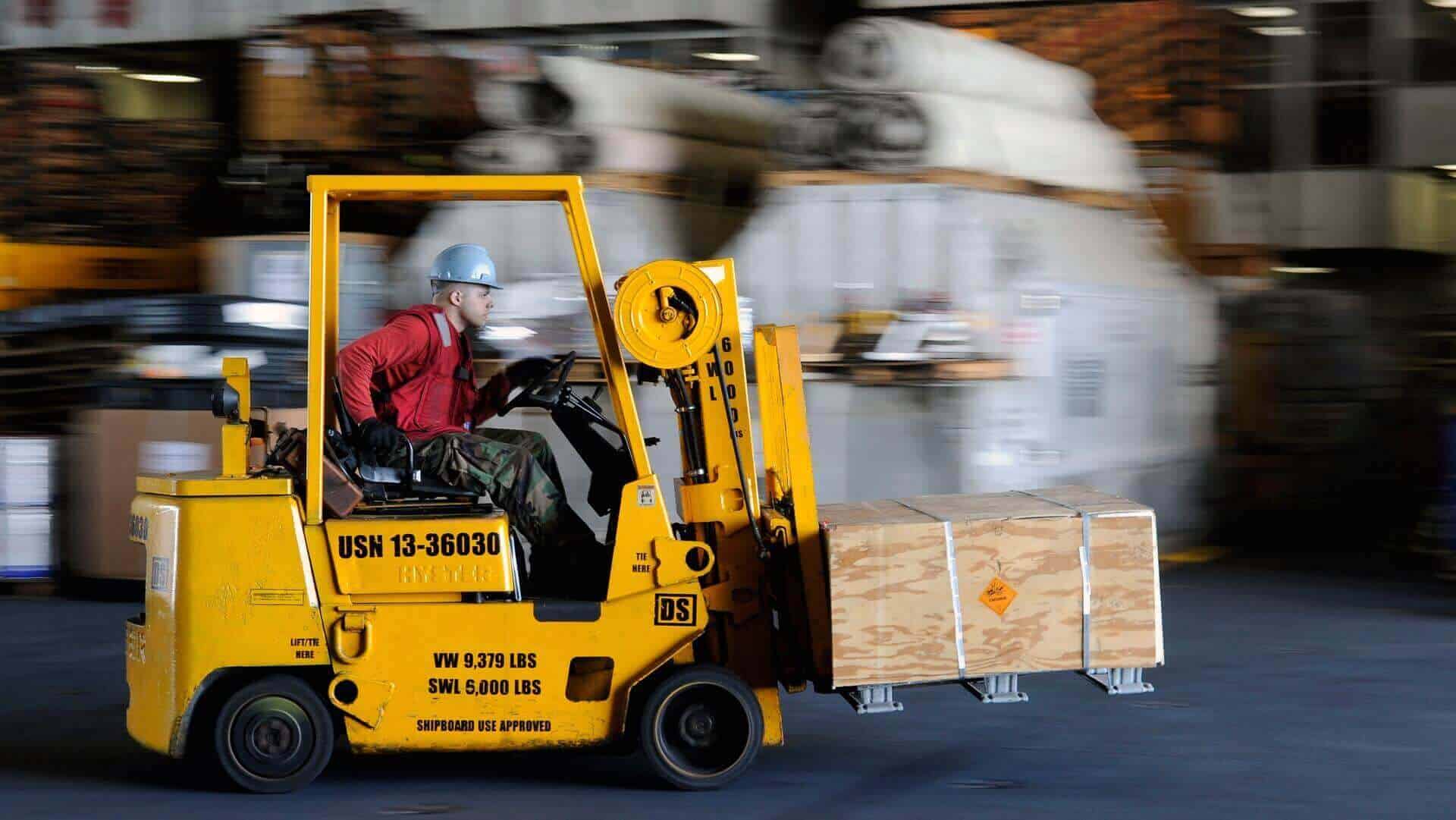 While safety standards and awareness for outdoor workers is increasing thanks to better traffic management at job sites, better safety training by companies, and the use of bright safety apparel like safety vests & safety shirts that make it impossible for motorists to NOT SEE workers – there are other environments where Safety Best Practices need to be stepped up. Case in point – manufacturing and storage facilities and warehouses where forklifts operate regularly.
Forklifts are fantastic machines that save a lot of time and back-aches and possess the horse-power to load and unload heavy boxes and pallets very easily. Loading and unloading delivery trucks is a veritable snap thanks to these horizontal/vertical devices – warehouses and factory floors are much cleaner and uncluttered since the advent of the forklift way back in 1917, and delivery and pick-up vehicles find their docking times considerably reduced thanks to these durable, ingenious vehicles.
Promoting Factory Safety for Your Workers
But it’s not all roses with the use of forklifts – injuries DO happen – surprisingly often actually. According to an OSHA safety management infographic on forklift safety:
- 11% of all forklifts will be involved in an accident – there are almost 856,000 forklifts in the USA alone – do the math.
- There are almost 35,000 serious injuries involving forklifts each year
- 85 employees are killed per year with an accident involving a forklift
- A full ten percent of those killed are pedestrians struck or run-over by the forklift
What can be done to make the co-labor situation between forklifts and human employees safer? The Canadian Centre for Health & Occupational Safety, offering these smart tips to prevent pedestrian-related forklift accidents.
- Separate the pedestrian and forklift traffic by creating designated walkways or travel ways.
- Restrict people from entering areas where the forklift is operating. If not possible, develop safe work procedures to protect workers when they must enter areas where forklifts are operating.
- Keep a safe distance from the forklift whenever possible.
- Pedestrians should always let the driver know they are in the area. Make eye contact with the driver to ensure your presence is known.
- Make sure the area is well lit and there are no obstructions.
- Be cautious near blind corners, doorways, and narrow aisles. Sound the forklift horn at intersections.
- Use high-visibility clothing, where appropriate.
- Limit forklift travel speed.
- Do not walk near or under raised forks.
- Do not load the forklift in a way that restricts the driver’s viewing area.
- Avoid driving forklift near areas where pedestrian traffic is high (e.g., lunch rooms, time clocks, entrances/exits).
We of course are partial to the seventh tip – Use high-visibility clothing, where appropriate. The use of bright-colored safety T-shirts and particularly, safety vests, is ALWAYS appropriate and easy to manage. Safety vests from NationalSafetyGear are easy to put on and take-off, don’t cause overheating or perspiration when worn indoors, can be shared amongst workers as needed, and are quite affordable.
Our lines of safety vests feature pockets for keys, ID cards and even small tools or tablets.
Forklifts will continue to evolve and serve in workspaces along with humans. Considering their potential speed and mass as well as the cargo they carry, it’s wise for supervisors, company owners and floor workers to be mindful of the potential dangers inherent in working alongside these versatile machines. Please do your part to protect yourself or your employees by following factory safety tips necessary for keeping humans safe as they labor alongside machines such as forklifts.
Safety T-Shirts, Sweatshirts and More Help Workers Stay Safe for National Safety Month and Beyond!
June 2017 is National Safety Month this year and NationalSafetyGear is participating once again by being in business and serving our customers with apparel that prevents accidents and saves lives. With our target market of construction workers, highway road crews, landscapers, painters, traffic and parking lot facilitators, dock workers and just about any other occupation where hard-working men and women need to be visible in order to be safe while working, we’re glad to be in an industry that helps to keep individuals and teams safe and sound while on-the-job.
With speed limits increasing in some states on highways, folks traveling while distracted more often thanks to cell phones and tablet computers, and everyone seemingly more busy than ever before in our country’s history, accidents are more likely to happen and it’s a dangerous time to be working near traffic, around “civilians,” and in any scenario where danger can lurk from heavy equipment or with a distracted driver or employee. Our safety green and safety orange safety t-shirts, safety sweatshirts and safety vests help to make employees more visible both to their teams and to drivers and travelers who may have hundreds of other things on their minds instead of the safety of workers near them. The power of visible green and orange safety apparel to catch the eyes of unwary drivers and equipment operators is a valuable tool in the battle against injuries and accidents – yesterday, today and tomorrow.
In honor of National Safety Month, the National Safety Council has produced a fairly stunning infographic called A Lifetime of Risk that highlights many of the dangers lurking around our lives depending on the age we happen to be currently. With preventable injuries occupying the fourth highest cause of death in America after heart disease, cancer and chronic respiratory disease, it’s good to be informed about those injuries so that you can take proactive steps to ensure that you and your loved ones are not another fatality statistic.
Enjoy the infographic and learn how to be safer thanks to National Safety Month 2017 and NationalSafetyGear!
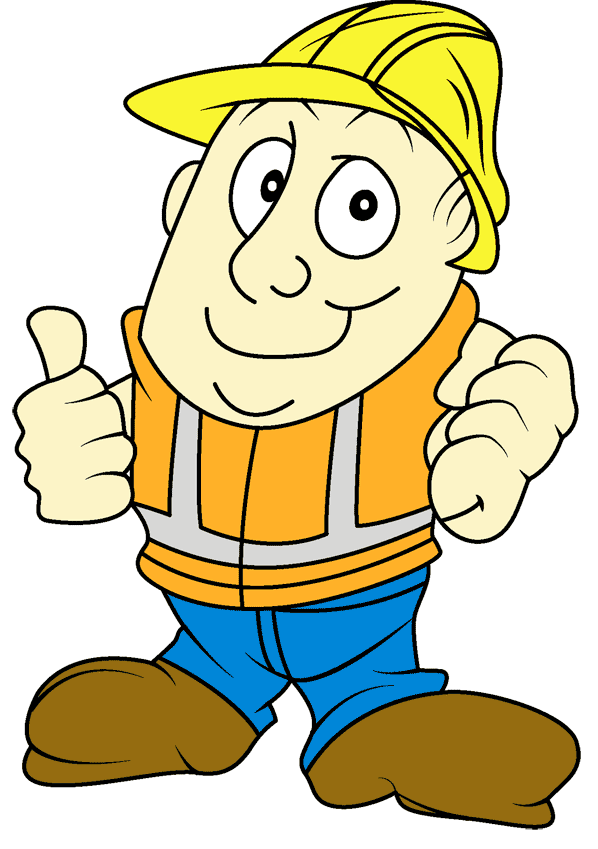
Meet Hard Hat Hal, VP of QualiTEEs for ANSI Class 2 & 3 Safety Apparel and More
At NationalSafetyGear, we are in the business of delivering quality safety apparel – Tshirts, sweatshirts and safety vests – for companies and businesses who need to make their workers visible and safe on-the-job in potentially dangerous settings. In today’s rapid transportation world with drivers more distracted than ever thanks to new technologies like smart phones, your on-the-road, on-the-job employees need to stand out and be seen by busy drivers. Our ANSI Class 2 & 3 and traditional safety apparel helps to do just that – ensuring a safe, visible work force day-in and day-out. At night-time as well!
Helping YOU to select the right safety clothing for purchase and printing has just gotten easier thanks to the arrival of our new VP of QualiTEEs – Hard Hat Hal. Hal comes from several decades of service in the world of newspaper comic strips, political cartoons and even a few animated bits and commercials. You may have seen him in The Simpsons, Home Depot print ads, the repairman in a classic run of the Peanuts strip, and as himself on the side of cans of JOLT® soda in the 1990s. Hal has been around for a considerable length of time (illustrations age very slowly!) and his experience and understanding about color, printing and visual aesthetics will benefit all of our NationalSafetyGear customers.
Look for Hard Hat Hal to pop-up all over our website in order to offer tips and information that will help you to order and purchase the appropriate safety t-shirts, safety sweatshirts and safety vests your employees need to stay safe and visible at work – whether ANSI Class 2 or 3 safety apparel or regular safety gear. And please wish Hal congratulations on becoming our new vice president of QualiTEEs!
Safety Sweatshirts and Shirts Protect Your Company Brand Image Too
 From restaurant servers and bartenders to pizza delivery personnel, tow truck operators and pool-cleaning companies, a simple tool has been in-use for decades to reinforce a company’s professionalism and image as well as to establish the veracity of an employee as a member of a particular business establishment. We’re talking of course about top wear worn by employees – t-shirts, sweatshirts, polo shirts, vests and jackets.
Whenever you go to a large big box store, or hire a plumber or electrician, or drop your car off to be serviced at your favorite mechanic’s garage – stop and notice the apparel of the customer service professional you are dealing with. Chances are, he or she will be wearing a t-shirt, sweater, polo or vest that features the name or logo and often the color code of that particular business. It’s become such a part of American business marketing that we just expect it and don’t even really notice it!
But then, when you encounter a small business that doesn’t “get it” about this easy marketing tactic, you’ll often feel a bit uncomfortable in your dealings with the representative who is waiting on you or making a house call to your home, and you might not even know why you feel that slight discomfort. Unconsciously, you’re probably thinking to yourself, “Is this person really from A&B HVAC Company?” “Is the company I’m dealing with too cheap to present a unified business image?” “Couldn’t this man have worn a clean shirt without pizza sauce stains on it to paint my porch?” “Is the work they’re about to do for me going to be as sloppy as how they’re dressed?”
Like it or not, appearances are important in businesses both large and small, and first impressions often make a big difference in how we engage with and react to those who are doing business with us. It’s a fairly normal and natural part of our psychology to make determinations about safety and quality in those with whom we cross paths.
Safety T-shirts, safety sweatshirts, safety vests and ANSI Class 2 and 3 apparel don’t just protect your valuable employees from physical dangers experienced on the job and on the road. Our custom-printed apparel also protects the reputation of your business. Our brightly colored shirts look clean and energetic and convey a sense of intelligence and professionalism on-the-job. What’s more, our safety apparel is very affordably priced, so most companies can afford to buy several pieces for each employee so that they can always put their best foot….well, best torso forward when on the job. Furthermore, when you entrust custom safety shirts and sweatshirts to your employees, you’re telling them that YOU trust THEM to represent your business wisely and responsibly. Clothes Do make the man, and the woman!
Stay safe.