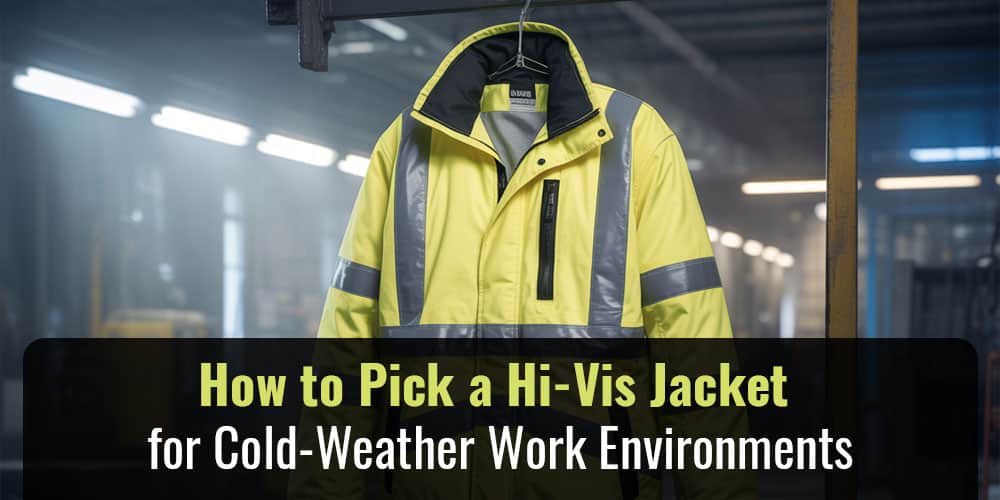
Selecting the right hi-vis coat for cold-weather work environments requires careful consideration of several factors that ensure visibility, warmth, comfort, and durability. In outdoor or industrial settings, workers often face harsh conditions, making proper safety apparel a crucial component in maintaining both protection and performance. The high-visibility rain jacket or reflective safety jacket you choose must meet specific standards to ensure workers are visible and safe, particularly when operating in visibility-compromised environment, poor lighting, or challenging conditions.
Why Hi-Vis Jackets Matter on the Job
In high-risk environments, such as construction, transportation, or road work, visibility is paramount. In 2022, the construction industry alone saw 1,069 fatal injuries, with 426 of these from strikes or transportation incidents, highlighting the importance of effective visibility measures. Struck-by incidents primarily causes nonfatal injuries in construction, underlining the effectiveness of hi-vis apparel in preventing such accidents. Wearing a reflective safety jacket significantly enhances worker safety by increasing their visibility to equipment operators, drivers, and other personnel.
Understanding Hi-Vis Standards and Classes
When selecting a hi-vis jacket, understanding the standards and classifications for high-visibility gear is crucial. These standards ensure that the jacket provides the necessary level of visibility for various work environments.
ANSI/ISEA 107 Overview
The ANSI-compliant jacket standard, specifically the ANSI/ISEA 107-2020, sets the guidelines for high-visibility garments worn by workers exposed to hazards from moving vehicles or machinery. This standard defines the types of materials used, including fluorescent safety gear, and establishes the requirements for background and reflective components. Jackets designed to meet ANSI standards feature fluorescent background colors and reflective tape that improve visibility from a distance.
EN ISO 20471 Comparison
In Europe, the EN ISO 20471 standard governs the design and performance of hi-vis apparel. This standard closely aligns with ANSI’s guidelines but has slight variations, particularly in terms of retroreflective tape quality and color specifications. It is essential to know whether your work environment requires ANSI-compliant or EN ISO-certified garments, especially if your work spans multiple regions with differing regulations.
Garment Types (Type O, R, P) & Classes (1–3)
The type and class of a hi-vis jacket are determined based on the level of exposure to traffic and the need for visibility. Type O (Off-road) jackets are suitable for workers in environments with little to no traffic exposure. Type R (Roadway) jackets are necessary for workers who are exposed to traffic, such as construction workers or flaggers. Type P (Public Safety) jackets are worn by emergency personnel or those who require high visibility in a public setting.
Class 1, Class 2, and Class 3 classifications refer to the amount of reflective safety jacket material and its placement on the garment. Class 1 offers the least amount of visibility, suitable for workers in low-risk environments, while Class 3 provides the highest visibility, ideal for those working near or in high-traffic areas. A Class 2 high-visibility jacket offers a moderate level of visibility for workers in environments where traffic is present but not immediate.
Key Features for Cold-Weather Hi-Vis Jackets
Cold-weather work environments require insulated hi-vis jackets that provide warmth without compromising safety or mobility. Here are some essential features to look for
Insulation Technologies
A hi-vis coat designed for cold weather should offer insulation that keeps workers warm in freezing temperatures while allowing them to perform their tasks efficiently. Technologies such as 33M Thinsulate fleece lining and heated elements are commonly used in insulated high-visibility jackets. Thinsulate, for instance, provides excellent warmth without adding bulk, making it an ideal choice for work in frigid conditions.
Weatherproof Shells
When working outdoors, especially in rain or snow, a weatherproof shell is a must-have. The hi-vis rain jacket should be made from waterproof or water-resistant fabrics that shield the wearer from rain and snow. Windproof ratings are also essential, as cold wind can quickly sap warmth. Workers should select jackets with a durable water-repellent finish (DWR) or fully waterproof membranes to ensure they stay dry in wet conditions.
Breathability & Moisture-Wicking
In cold weather, it is not only essential to stay warm but also to avoid becoming damp from perspiration. Jackets with underarm vents and wicking liners help regulate temperature and keep moisture away from the skin. A hi-vis jacket with proper breathability will ensure that workers remain comfortable even in strenuous conditions.
High-Visibility Design Elements
The effectiveness of a hi-vis jacket depends mainly on its design. Key elements ensure that the jacket provides maximum visibility to those working in potentially hazardous conditions.
Fluorescent Background Colors
Fluorescent safety gear is a key component of any hi-vis jacket. The background color, typically fluorescent yellow, orange, or red, helps increase visibility during daylight or in well-lit environments. ANSI and EN ISO standards specify the exact colors to ensure they are easily visible against various backdrops. Choosing a fluorescent safety gear jacket in these colors ensures workers are visible from a distance.
Retroreflective Tape Placement
The placement of retroreflective tape is another critical feature of hi-vis apparel. This tape reflects light from vehicle headlights or other light sources, allowing workers to be seen at night or in low-light conditions. A reflective safety jacket with 360° visibility, meaning the reflective tape wraps around the garment’s torso and sleeves, offers the best protection. This ensures that the worker remains visible from any angle.
Compliance and Legal Considerations
Different regions have specific rules regarding the colors and types of hi-vis apparel that can be worn. Some areas permit pink or black high-visibility jackets, but many safety regulations still favor traditional colors, such as fluorescent yellow and orange. Additionally, particular industries or regions may have specific color rules based on job type or environment. For example, a Type R high-visibility jacket is required for road workers in many countries, while a Type O may suffice for other low-risk positions.
Fit, Comfort, and Mobility
Comfort and mobility are essential factors when selecting a hi-vis jacket for cold-weather environments. Workers need a coat that allows them to move freely while staying warm and visible.
Ergonomic Cuts & Articulated Sleeves
A well-designed reflective safety jacket will feature ergonomic cuts that improve the range of motion. Articulated sleeves, for instance, are designed to move with the wearer, preventing the jacket from bunching up or restricting arm movement. This ensures that workers can perform their tasks without the jacket interfering with their motions.
Adjustable Features
To further improve comfort and versatility, many hi-vis jackets come with adjustable cuffs, hems, and detachable hoods. These features enable workers to customize the fit to suit their preferences, ensuring the coat stays in place during physical activity and provides adequate protection from the cold.
By carefully considering the factors outlined above, workers can ensure that they select the right insulated hi-vis jacket for their specific needs. Whether you need a Class 3 safety jacket or a Type R high-vis for your job, investing in a high-quality, compliant jacket minimizes accidents while providing protection too.
Functional Details and Extras
When working in cold weather, safety and comfort are paramount. A hi-vis coat designed for low-visibility conditions is essential to keep workers visible, warm, and protected from the elements. Below is a comprehensive guide on how to select the best hi-vis bomber jacket, heated hi-vis coat, and other cold-weather safety gear.
Pockets & Storage
When selecting a PPE safety jacket, consider the utility it offers beyond its protective capabilities. In cold weather, having enough pockets can make a huge difference. Look for jackets with chest pockets for easy access to small items, such as pens, notes, or tools. Interior pockets help store personal items or devices, while smartphone pockets ensure that your devices are safe, dry, and accessible without needing to remove your gloves.
Utility Loops & ID Holders
For workers who need to carry extra tools or identification, many hi-vis materials feature utility loops or ID holders. These features add an element of convenience on the job, allowing workers to store essential items securely while keeping their hands free for other tasks. These added elements also contribute to the jacket’s ergonomic design, enhancing overall mobility and usability.
Care and Maintenance Tips
Maintaining your waterproof hi-vis jacket is essential for extending its lifespan and ensuring it remains effective in its role. Always follow the manufacturer’s instructions for washing, as incorrect care can damage the retroreflective tape or diminish its visibility. Regularly inspect the jacket for signs of wear and tear, especially on the reflective elements. Store the jacket in a dry place when not in use to prevent moisture accumulation, which can compromise the fabric’s waterproof properties.
For sustainable hi-vis options, consider jackets made from eco-friendly materials. These jackets may require specific care instructions, but with proper attention, they can last longer and reduce the environmental impact of disposable safety gear.
Budget Considerations and ROI
While high-visibility materials are often more expensive than regular workwear, the investment in a quality, ergonomic safety jacket pays off in both safety and performance. Balancing cost with the safety benefits is key. Look for hi-vis bomber jackets or heated hi-vis coats that offer excellent value for money without compromising on visibility or comfort. A well-designed jacket that meets high-visibility clothing standards and includes features like waterproof high-visibility material or insulation for cold weather is often more cost-effective in the long term, as it reduces the need for frequent replacements.
Top Picks and Recommendations
For cold weather, the right jacket should combine high visibility with thermal protection. Below is a summary of some top options for hi-vis apparel designed for winter-
| Jacket Type | Features | Best For |
| Heated Hi-Vis Coat | Heated elements for warmth, waterproof, ergonomic cut | Workers in freezing temperatures need extra warmth |
| Hi-Vis Bomber Jacket | Insulated, windproof, reflective, ergonomic | Cold-weather workers who need mobility and warmth |
| Sustainable Hi-Vis | Eco-friendly materials, durable, breathable | Eco-conscious workers looking for long-lasting gear |
| Waterproof Hi-Vis Jacket | Waterproof shell, moisture-wicking, ergonomic | Workers exposed to rain or wet environments |
| Ergonomic Safety Jacket | Comfort-focused design, adjustable cuffs, and a hood | High-mobility jobs where flexibility is important |
Wrapping Up
When shopping for a PPE safety jacket, prioritize safety features that meet clothing standards while ensuring comfort in cold weather. A hi-vis bomber jacket or heated hi-vis coat can provide the insulation needed for winter conditions while keeping workers visible at all times. Don’t overlook added features like retroreflective tape or ergonomic cuts that improve comfort and mobility.
For your next purchase, choose from National Safety Gear’s extensive range of hi-vis apparel, offering durable, compliant, and highly functional jackets designed for a variety of industrial and outdoor work environments. Whether you’re looking for a waterproof high-visibility jacket, sustainable high-visibility options, or a heated high-visibility coat, these products provide the protection you need to stay visible and safe. Explore National Safety Gear today to discover the ideal jacket for your specific needs.
FAQ
What does hi-vis stand for?
“Hi-vis” stands for high-visibility, referring to personal protective equipment (PPE) designed with fluorescent backgrounds for daytime visibility and retroreflective materials for low-light conditions.
Is pink high-vis legal?
Compliance depends on regional standards. ANSI/ISEA 107 and EN ISO 20471 allow only fluorescent yellow-green, orange-red, and red; pink is non-compliant in North America and Europe, but approved in Australia/New Zealand under AS/NZS 1906.4-2023.
Is black hi-vis legal?
All-black jackets are non-compliant under ANSI/ISEA and EN ISO standards; however, black panels are permitted in dirt-prone areas as long as the minimum fluorescent and reflective requirements are still met.