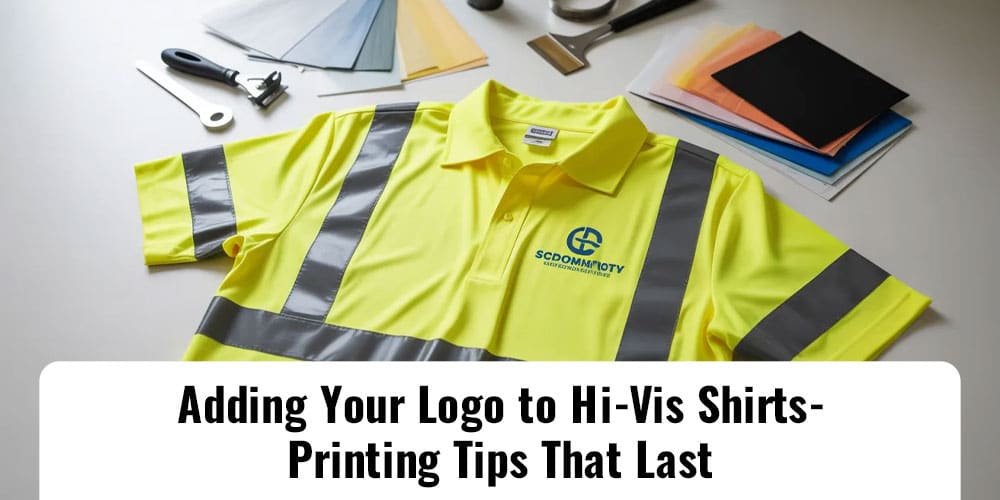
Hi-visibility shirts with logos are essential for both safety and branding. Whether worn by construction crews, road workers, or any team working in low-light environments, high-visibility shirts with logos play a crucial role in ensuring the safety of workers while promoting a sense of unity and professionalism. These shirts not only meet safety standards but also provide an opportunity for businesses to boost their branding in visible, high-traffic areas. Proper logo placement and printing methods are key to maintaining both safety compliance and durable, high-quality designs. Let’s explore the best practices for adding your logo to fluorescent safety shirts, ensuring that your custom workwear logo stands out while complying with industry regulations.
Why Choose Custom Hi-Vis Shirts with Logo?
Custom workwear logo shirts are a powerful tool for building team identity and reinforcing your brand in the field. When workers wear branded safety apparel, it not only improves their visibility but also promotes a professional, unified look across the team. In environments like construction sites, where safety is the top priority, the right apparel can make a significant difference.
- From a safety perspective, wearing high-visibility shirts with logos is a legal requirement in many industries. These shirts are designed to ensure that workers are easily seen in low-light conditions or around heavy machinery.
- Class 2 high-visibility shirts are typically used for workers who need to be visible in environments with low traffic volume. In contrast, Class 3 high-visibility shirts are required for higher-risk environments, such as highway construction zones.
- These standards help protect employees from struck-by incidents, which are the primary cause of workplace fatalities.
- Moisture-wicking high-visibility materials further enhance comfort and performance, ensuring that workers remain dry and focused on their work, regardless of the weather.
- This is particularly important for those working in physically demanding conditions, where sweat can hinder both visibility and comfort.
- Ultimately, adding a custom safety uniform with a transparent, durable logo serves not only to comply with safety standards but also to foster team spirit and improve brand visibility.
Understanding ANSI/ISEA 107 Compliance
Garment Types & Classes
The ANSI/ISEA 107 standard governs the performance of safety apparel, setting forth requirements for the materials, design, and performance of high-visibility shirts with logos. According to these standards, there are different classifications of hi-vis shirts based on the level of visibility required for different environments. The various garments, including Class 1, Class 2, and Class 3 shirts, are all categorized based on their reflective properties and fluorescent backgrounds.
Class 1 hi-vis shirts are used for workers in environments where traffic speeds are low and visibility is less critical. Workers typically wear Class 2 shirts in environments where the risk of being struck by a vehicle is higher, but traffic speed is moderate. For the most hazardous environments, such as highway work zones or areas with high-speed traffic, Class 3 hi-vis shirts are required. These shirts offer the highest level of visibility, ensuring that workers are seen even in poor lighting conditions or at night.
Size, Placement & Reflective Area Rules
When printing logos on fluorescent safety shirts, it’s essential to be mindful of the logo placement rules set by ANSI. Logos cannot cover the entire reflective area of the shirt, as this would reduce the shirt’s overall visibility. The reflective strips, which make the garment visible in low light, must remain intact and unobstructed.
ANSI regulations also govern the maximum allowable coverage for non-fluorescent logos. For example, the retroreflective logos cannot exceed a certain size to ensure that the garment’s specific reflective properties are maintained. It is also crucial that logos be placed in areas that do not obstruct the retroreflective stripes, which help workers remain visible to drivers and machinery operators. Additionally, reflective tape can be incorporated into the logo design, further improving the visibility of the shirt.
Choosing the Right Fabric & Features
Selecting the right fabric for your custom safety apparel compliance is key to ensuring that the shirt performs as expected.
- The material should be durable enough to withstand the demands of the work environment while also being comfortable enough for all-day wear.
- Polyester is the most commonly used material for high-visibility shirts. Those that include cotton or spandex are also available for added comfort and flexibility.
- For workers in warmer climates or those involved in physically strenuous tasks, moisture-wicking hi-vis shirts are essential. These shirts can pull sweat away from the body, keeping workers cool and dry, which can also help maintain their focus and productivity.
- On the other hand, fabric anti-dye migration techniques are critical for ensuring that the essentials remain crisp and clear over time, even after multiple washes.
- Durability is also an essential factor. A durable method, such as screen printing with high visibility, will ensure that your branding stays intact throughout the garment’s life. This is especially important for high-use apparel, which can experience significant wear and tear.
Logo Printing Methods for Hi-Vis Shirts
Screen Printing
Screen printing hi-vis shirts is a popular and cost-effective method for logo placement. This technique is renowned for its durability, making it suitable for high-wear items, such as workwear apparel. High-wear printing uses ink to create a sharp, vibrant design that adheres well to the fabric, even in harsh conditions. However, for high-visibility shirts with low-visibility, the next level of anti-dye migration can be taken to prolong anti-dye migration, which can cause the logo to fade or bleed into the shirt’s fabric.
Digital Printing
Digital Printing is another excellent option, particularly for designs that feature intricate details or multiple colors. The process utilizes a vinyl film that is applied using heat and pressure. This method allows for full-color detail, making it perfect for complex logos or branding that requires high resolution. This is quickly becoming the preferred method for printing on hi vis apparel due to its ability to work on nearly any type of material. Although more expensive, Reflective vinyl can also be used for a retroreflective logo, ensuring that your branding is visible even in low-light conditions.
Embroidery
While embroidery safety shirts provide a premium look and feel, they are typically more expensive and may not be suitable for lightweight Class 2 hi-vis shirts. The stitching can add bulk to the garment, and intricate designs may be more challenging to execute. However, embroidery can be an excellent option for smaller logos or for creating a more sophisticated, long-lasting logo placement on safety shirts.
Logo Design & Placement Best Practices
When designing a logo for high-visibility shirts, it’s essential to prioritize safety without compromising on aesthetics. High-contrast colors, such as bright yellow or orange, are recommended for the logo, as they stand out well against the fluorescent safety shirts.
In terms of logo placement rules, avoid placing logos over reflective stripes, as this can obscure the garment’s reflective properties and reduce visibility. Instead, consider placing the logo on the upper chest or shoulder area, ensuring that it is visible without interfering with the shirt’s safety features. Balancing branding with compliance is key to producing work zone apparel that meets safety standards while still promoting your company’s identity.
Pricing, Turnaround & Bulk Ordering Tips
When ordering custom safety uniforms, pricing varies depending on the printing method, the quantity of shirts ordered, and the complexity of the design. Bulk hi-vis printing can reduce the per-unit cost, making it more affordable to order in larger quantities. It’s also essential to consider lead time, as customization may take several weeks, depending on the printer’s schedule and the complexity of the design.
Many suppliers offer volume discounts for larger orders, which can help reduce the overall cost of custom workwear logo shirts. It’s worth comparing prices from different suppliers to ensure that you’re getting the best deal for your project.
Caring for Your Custom Hi-Vis Shirts
To ensure that your retroreflective logos and high-visibility shirts with logos maintain their integrity over time, it’s essential to follow proper care instructions. Washing hi-vis shirts in cold water and air-drying them is generally recommended to preserve the reflective material and the brightness of the fluorescent fabric. Avoid using harsh detergents or bleach, as they can damage the fabric and reduce its appearance.
Frequently Asked Questions
What are the rules for putting a logo on a hi-vis shirt?
ANSI ISEA 107 outlines strict guidelines for logo placement and size to maintain visibility and safety. The logo must not obstruct reflective tape or retroreflective areas, and the logo should be of a size that does not compromise the garment’s reflective properties.
Are hi-vis shirts a legal requirement?
Yes, OSHA and MUTCD regulations mandate the use of Class 2 hi-vis shirts in certain work zones, particularly for workers in environments with moderate traffic. For high-risk areas, Class 3 hi-vis shirts are required.
Wrapping Up
Custom high-visibility shirts with logos are essential for both safety and branding in hazardous work environments. By understanding ANSI ISEA 107 compliance and selecting the right fabric, logo placement, and printing method, you can ensure that your workers remain visible while promoting your brand. Whether you choose screen printing, heat transfer vinyl, high-visibility (hi-vis) materials, or embroidery for safety shirts, each method has its advantages.
For high-quality custom safety uniforms, bulk orders, and expert advice on durable logo printing, turn to National Safety Gear. We offer a wide range of work zone apparel that meets safety standards while promoting your brand.