
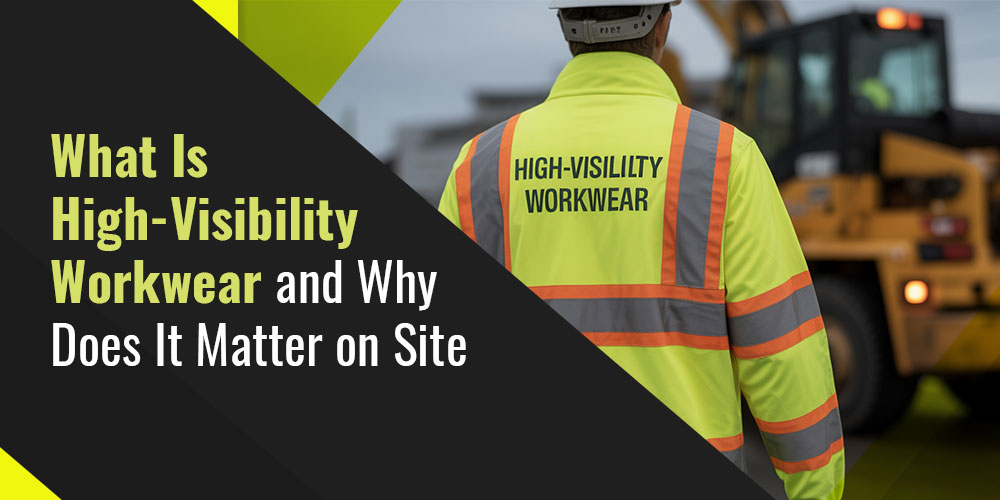
High-visibility workwear plays a crucial role in modern job site safety, particularly in environments where workers operate near moving vehicles, heavy machinery, or in low-light conditions. From roadway construction zones to warehouses, utilities, and industrial facilities, being seen clearly and early can mean the difference between a near miss and a serious incident. As job sites grow more complex and traffic exposure increases, visibility has become a foundational element of workplace protection strategies.
At its core, high-visibility workwear is designed to enhance human recognition through the use of color, contrast, and reflective elements. These garments are not fashion-driven, but function-driven, designed to meet regulated performance standards and address real-world risks. Employers are increasingly relying on safety apparel that complies with recognized PPE standards, while also prioritizing comfort, durability, and job-specific demands. Understanding what qualifies as high-visibility gear and why it matters is essential for anyone responsible for worker safety or purchasing work safety gear.
Definition and Purpose of High-Visibility Workwear
High-visibility workwear refers to garments classified as personal protective equipment intended to make the wearer easily detectable under both daytime and nighttime conditions. This category includes high-visibility clothing, such as vests, shirts, jackets, pants, and accessories, that utilize fluorescent background materials combined with reflective tape or other retroreflective elements. The purpose is to increase visual contrast between the worker and their surroundings, enabling drivers, equipment operators, and coworkers to recognize human presence quickly.
In the United States, most compliant garments are evaluated under ANSI 107, which establishes performance requirements for background material, retroreflective placement, and total coverage. These requirements ensure that garments function consistently across various lighting conditions, weather conditions, and viewing angles. When high-visibility apparel is worn correctly, it allows the human silhouette to be identified from significant distances, even when illuminated only by vehicle headlights.
High-visibility garments are a core part of broader PPE systems. Alongside hard hats, gloves, and footwear, they support hazard mitigation strategies required on regulated job sites. Whether worn as a retroreflective vest over standard clothing or integrated into full outerwear, the goal remains the same- early detection, rapid recognition, and reduced risk of struck-by incidents.
Importance of High-Visibility Workwear on the Job
Visibility is one of the most controllable safety variables on a job site. While hazards such as traffic flow or machine movement may be unavoidable, worker visibility can be significantly improved through the proper selection of personal protective equipment (PPE). High-visibility workwear directly addresses struck-by hazards, which remain one of the significant reasons behind serious injuries and fatalities in construction, road work, and utility operations.
Research shows that a substantial portion of roadway construction worker fatalities result from struck-by incidents involving vehicles or equipment. These events often occur because a worker was not seen in time for a driver or operator to react. High-visibility garments increase detection distance, allowing drivers more time to slow down, steer away, or stop altogether. In controlled testing environments, high-visibility clothing is detectable from well over one thousand feet under optimal conditions, significantly increasing reaction time.
Beyond traffic exposure, visibility also improves coordination between crews operating heavy equipment. Forklift operators, crane operators, and spotters rely on visual cues to maintain safe distances. Wearing compliant construction safety gear improves communication and reduces reliance on verbal warnings alone, especially in noisy environments.
Standards and Regulations
ANSI/ISEA 107 (U.S.)
In the United States, the primary standard governing high-visibility apparel is ANSI/ISEA 107, published by the American National Standards Institute and ISEA. This standard defines the performance requirements for garments designed to enhance worker visibility in hazardous environments. ANSI 107 categorizes garments by both type and class, reflecting the specific uses and environments for which they are intended.
Types indicate the work environment. Type O garments are designed for use in off-road settings, such as warehouses and industrial yards. Type R garments are designed for use in roadway environments where workers are exposed to vehicular traffic. Type P garments are designed for public safety workers and emergency responders. Within each type, garments are further classified as 1, 2, or 3 as per the visible material and retroreflective coverage provided.
Compliance with ANSI 107 is commonly referenced in OSHA hi-vis guidance and enforcement expectations, even though OSHA itself does not publish a standalone hi-vis standard. Many employers treat ANSI 107 compliance as a baseline requirement for work safety gear used near traffic or equipment.
EN ISO 20471 (EU/UK)
Outside the United States, the dominant standard is EN ISO 20471, which applies across the European Union and the United Kingdom. While the goal of the standard is similar to ANSI 107, there are structural differences in how garments are classified and evaluated. EN ISO 20471 primarily focuses on Classes 1 through 3, based on the minimum areas of fluorescent background material and retroreflective striping.
Unlike ANSI 107, EN ISO 20471 does not divide garments by type of work environment. Instead, it emphasizes visibility performance across all industries. The color options approved under EN ISO 20471 are also more limited, with strict requirements for chromaticity and luminance. Employers operating internationally must ensure garments meet the appropriate standard for each region, particularly when sourcing safety apparel across borders.
Classes and Color Options
Class 1 vs Class 2 vs Class 3
The class of a high-visibility garment determines where it should be used and the level of protection it provides. Class 1 garments have the lowest level of visibility and are typically used in low-risk environments with slow-moving traffic or ample separation from vehicles. These garments provide minimal background material and limited reflective coverage.
Class 2 garments significantly increase visibility through greater surface area and additional reflective elements. A typical example is an ANSI Class 2 vest, which is widely used in roadway construction, utility work, and surveying, where traffic speeds are moderate. These garments strike a balance between visibility and mobility, making them suitable for long shifts.
Class 3 garments give maximum visibility and are designed for use in high-risk environments with fast-moving traffic or low-light conditions. Full-sleeve designs, such as ANSI Class 3 jackets, provide 360-degree visibility and enhanced recognition of arm movements. Class 3 apparel is often required for nighttime road work, emergency response, and high-speed traffic zones.
Fluorescent Yellow-Green vs Fluorescent Orange
Color selection is a critical component of visibility performance. Fluorescent workwear relies on colors that convert ultraviolet light into visible light, making them appear brighter during daylight hours. Fluorescent yellow-green is widely used because it provides strong contrast against a variety of backgrounds, including asphalt, concrete, and urban environments.
Fluorescent orange is often preferred in environments where yellow-green may blend into surroundings, such as areas with heavy foliage, snow, or autumn landscapes. Both colors meet ANSI chromaticity requirements when properly manufactured. The choice between them should be driven by environmental contrast rather than preference, ensuring maximum visibility in the specific work setting.
Materials, Features, and Technologies
Modern high-visibility workwear incorporates a wide range of materials and performance features designed to address comfort, durability, and protection against hazards. Background fabrics are typically made from polyester or polyester blends that hold fluorescent dyes effectively while resisting fading. Retroreflective components utilize microprismatic or glass bead technology to redirect light back toward its source, making the wearer visible at night.
Advanced garments now integrate moisture-wicking hi-vis fabrics that help regulate body temperature during physically demanding work. For hazardous environments, FR hi-vis and arc flash hi-vis garments combine flame-resistant properties with visibility requirements, enabling workers to remain protected from both thermal and visibility hazards.
Design innovations, such as the black-bottom design, address practical wear issues by placing darker fabrics in high-soil areas, thereby extending garment lifespan without compromising visibility. These advancements have made high-visibility apparel more wearable across diverse conditions while maintaining compliance with PPE standards.
How to Choose the Right High-Visibility Workwear
Work Environment and Task Risk
Selecting appropriate high-visibility workwear begins with evaluating the work environment and associated risks. Traffic speed, proximity to moving equipment, lighting conditions, and weather exposure all influence the required garment class and type. Roadway crews working near high-speed traffic require higher visibility levels than warehouse staff operating forklifts in controlled settings.
Employers should assess whether additional hazards such as fire, electrical exposure, or rain are present. In these cases, combining visibility with protective features such as rainproof high-visibility materials or flame resistance ensures comprehensive protection without the need for layering incompatible garments.
Fit and Sizing, Including Women ‘s-Specific Cuts
Proper fit ensures safety and comfort. Ill-fitting garments can restrict movement, reduce coverage, or become snag hazards. High-visibility workwear should allow a full range of motion while maintaining the required visible surface areas. The increasing availability of women’s hi-vis apparel addresses long-standing fit issues by offering garments designed for female body proportions, rather than scaled-down men’s sizes.
When garments fit correctly, workers are more likely to wear them consistently and correctly, which improves overall safety outcomes.
Multi-Hazard and Sustainable Options
As safety programs mature, many organizations seek garments that address multiple hazards simultaneously. Multi-hazard apparel combines visibility with protection against fire, arc flash, or chemical exposure. At the same time, interest in sustainable workwear has grown, with manufacturers offering recycled fabrics and longer-lasting designs that reduce the need for replacement without sacrificing performance.
Key High-Visibility Workwear Items
Safety Shirts and T-Shirts
High-visibility shirts form the foundation of many safety programs. Hi-vis shirts are commonly worn in warm conditions or layered under outerwear. They provide essential daytime visibility and often incorporate breathable, lightweight fabrics for comfort during long shifts.
Vests and Pullovers
High visibility vests remain one of the most versatile options due to their ease of use and compatibility with other PPE. Hi-vis pullovers offer an alternative that combines visibility with added warmth and coverage, making them suitable for cooler conditions.
Jackets and Sweatshirts
Outerwear, such as high-visibility jackets and high-visibility sweatshirts, provides full-body visibility and protection from cold or wind. These garments are often required to meet higher visibility standards and are essential for night work or environments with high-speed traffic.
Pants and Overalls
Lower-body visibility is increasingly recognized as crucial for a comprehensive understanding of human movement. Hi-vis pants and hi-vis overalls enhance visibility from all angles, particularly when workers bend or kneel.
Rainwear and Bibs
Wet weather significantly reduces visibility. Rainproof hi-vis jackets and bibs ensure workers remain visible while staying dry, preventing the temptation to remove compliant gear during storms.
Headwear and Accessories
Hi-vis headwear, such as caps and hard hat covers, improves visibility at elevated heights or when workers are partially obscured. Accessories supplement primary garments without replacing required coverage.
Gloves
Hands are often in motion during work tasks. Hi-vis gloves uplift visibility of hand signals and movements, thereby improving communication between workers and equipment operators.
Women’s Hi-Vis Clothing
Dedicated women’s hi-vis lines offer improved fit, comfort, and compliance, ensuring female workers receive the same level of protection without compromise.
Caring for Your High-Visibility Workwear
Proper care helps maintain the performance of high-visibility garments. Washing should be done using mild detergents on gentle cycles to preserve fluorescent dyes and reflective materials. Harsh chemicals, bleach, and fabric softeners can degrade visibility features and reduce the lifespan of garments.
Drying at low temperatures or air drying helps prevent damage to reflective components. Regular inspection is critical. Faded fabric, cracked reflective tape, or damaged seams indicate that a garment may no longer meet performance requirements and should be replaced promptly to maintain safety standards.
Industry Trends
The high-visibility apparel industry continues to evolve in response to workforce diversity, environmental concerns, and jobsite demands. Women ‘s-specific designs have expanded significantly, addressing both comfort and compliance simultaneously. Sustainable materials and longer-lasting constructions are reducing waste and total ownership costs.
Functional design features such as the black-bottom design have become standard in many garments, reflecting real-world wear patterns. The integration of visibility with multi-hazard protection continues to grow, enabling employers to simplify PPE programs without compromising safety performance.
FAQs
1.What Are the Different Classes of High-Visibility Workwear?
High-visibility garments are categorized into Class 1, Class 2, and Class 3 depending on the amount of visible material and the intended risk level. Higher classes provide greater visibility and are used in environments with faster traffic or lower visibility.
2. When does OSHA require High-Visibility Clothing?
High-visibility clothing is required when workers are exposed to vehicular traffic within roadway work zones. OSHA references compliance with recognized standards such as ANSI 107 and aligns with MUTCD safety requirements for visibility.
3. What Is the Difference Between Fluorescent Yellow-Green and Orange?
Fluorescent yellow-green provides strong contrast in most urban and industrial settings, while fluorescent orange is more effective in areas with heavy foliage or snow. Both colors meet performance requirements when manufactured correctly.
4. How Do You Properly Care for High-Visibility Workwear?
Garments should be washed gently with mild detergent, avoiding bleach and fabric softeners. Regular inspections ensure that visibility features remain effective and compliant with regulations.
Conclusion and Next Steps
High-visibility workwear is not optional equipment but a foundational layer of modern jobsite safety. By improving detection distance and recognition, it directly reduces the likelihood of struck-by incidents. It supports safer coordination between workers and equipment. With a significant portion of roadway worker fatalities linked to visibility-related incidents, investing in compliant, well-designed apparel remains one of the most effective risk-reduction strategies available.
Choosing the right combination of garments, including high-visibility vests, jackets, gloves, and rainwear, ensures protection across various seasons and job conditions. For organizations seeking dependable, regulation-ready safety apparel, National Safety Gear offers a broad selection of compliant products designed for real-world performance. Check out the range of high-visibility solutions to outfit your team with workwear that meets today’s standards and tomorrow’s demands.