
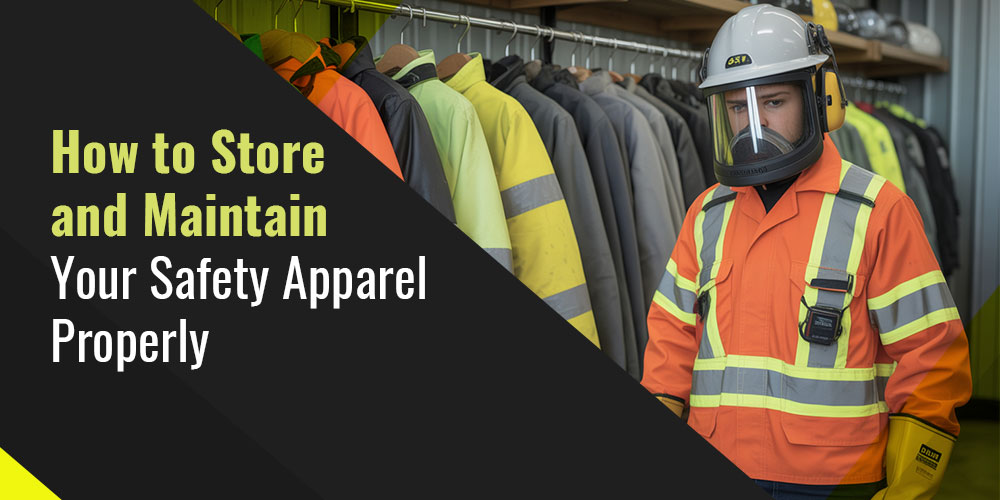
Safety apparel is often treated as a one-time purchase rather than a long-term safety system. Helmets, gloves, high-visibility garments, footwear, and respiratory protection are expected to perform reliably day after day, often in harsh environments. However, without proper care, even the best-designed gear can lose effectiveness far earlier than expected. This guide explains how to correctly inspect, clean, store, repair, and replace safety apparel so it continues to protect workers as intended. By treating PPE maintenance as an ongoing process rather than an afterthought, organizations can reduce risk, control costs, and foster a safer, more consistent work environment.
Why Safety Apparel Maintenance Matters
Safety apparel maintenance has a direct impact on injury prevention, regulatory compliance, and workforce confidence. Protective equipment that is worn, contaminated, or improperly handled may appear functional while offering reduced protection. A structured maintenance program ensures that safety apparel performs as designed throughout its service life.
- Maintained apparel preserves protective properties such as impact resistance, visibility, and chemical barriers.
- Proper upkeep supports regulatory inspections and internal compliance review.
- Routine care reduces premature replacements and lowers total ownership costs.
- Consistent practices reinforce accountability and strengthen safety culture.
Workplace injury data shows that millions of nonfatal injuries occur each year, many of which could be reduced through proper equipment care. Organizations that prioritize maintenance create safer job sites and reduce preventable incidents.
Understanding Manufacturer Guidelines
Every item of safety apparel is engineered with specific materials, treatments, and performance expectations. Manufacturer guidelines define how these materials should be handled to preserve protection. Ignoring these instructions can compromise safety and invalidate certifications.
Key Steps
Following manufacturer guidelines is the foundation of effective PPE maintenance. These instructions are not suggestions. They are based on testing, certifications, and material science that determine whether safety apparel will continue to perform as designed. Skipping or improvising any step can quietly reduce protection, even when damage is not immediately visible.
Review Care Labels and Technical Documentation
Every piece of safety apparel includes a care label or technical manual that specifies how it should be handled. These labels outline approved washing temperatures, drying methods, and whether professional or home processes are permitted. Some garments require industrial laundering due to contamination risks or fabric sensitivity, while others may permit controlled home washing. Ignoring these details can damage fibers, degrade reflective elements, or compromise protective coatings. Reviewing labels before any cleaning or handling decision ensures that workwear cleaning preserves the original performance standards.
Avoid Unauthorized Cleaning and Handling Methods
Using unapproved detergents, solvents, or mechanical processes is a common cause of premature PPE failure. High alkalinity products, excessive agitation, or high heat can weaken fabrics and destroy protective finishes. Even well-intentioned shortcuts, such as using household chemicals to scrub stains, can cause long-term damage. Approved cleaning detergents, controlled wash cycles, and proper pH control are essential to prevent material breakdown. Unauthorized methods may also void warranties or certifications, leaving organizations exposed during inspections or audits.
Identify Expiration Dates and Service Life Limits
Many types of safety apparel have defined service life limits, even if they appear undamaged. Materials can degrade due to UV exposure, environmental conditions, or natural aging. Hard hats, harnesses, and respiratory equipment often include manufacturer dates that determine when they should be replaced. Respecting expiration dates ensures that equipment inspection does not rely solely on visual condition. Understanding lifecycle limits helps organizations plan replacements proactively rather than reacting to failures.
Inspection Procedures: What to Check and How Often
Inspection is the backbone of any effective PPE program. Regular inspections identify early signs of damage or contamination and prevent unsafe gear from remaining in service. Inspection schedules should include both frequent user checks and periodic detailed reviews.
Daily User Inspections
Daily inspections are quick but critical. Before each use, workers should visually and physically check their gear. Tears, cracks, discoloration, loose stitching, and missing components should be noted immediately. Gloves should be flexed to feel for thinning or stiffness. Respirators should be examined for cleanliness and proper sealing. These steps form the foundation of equipment inspection and reduce immediate exposure risks.
Periodic Detailed Inspections
Monthly or quarterly inspections provide a deeper assessment of condition and performance. Trained personnel should conduct and document these inspections. Reflective materials, load-bearing components, fasteners, and closures should be evaluated for wear. Findings should be recorded using a standardized inspection checklist. Documentation allows organizations to track deterioration patterns and supports audit readiness.
Inspection by Apparel Type
Different safety apparel categories require specific inspection criteria. Hard hat care includes inspecting shells for cracks, brittleness, and UV damage, as well as checking suspension systems for wear. High-vis garment care focuses on color fading, reflective tape integrity, and seam durability. Glove maintenance requires checking for punctures, chemical degradation, and loss of dexterity. Respirator cleaning and inspection must confirm valve functionality, filter condition, and hygiene to ensure respiratory protection remains effective.
Cleaning Safety Apparel
Cleaning safety apparel removes contaminants that can weaken materials or pose health risks. However, improper cleaning can shorten the lifespan of garments or compromise protective features. The cleaning method should always align with manufacturer guidance.
Industrial Laundry Services
Professional industrial laundry services are often recommended for heavily soiled or regulated environments. These services use controlled processes to protect garment integrity while removing oils, chemicals, and biological contaminants. Water chemistry, temperature, and mechanical action are carefully managed. Consistent pH control prevents fiber degradation and preserves coatings. Industrial laundering also reduces cross-contamination and provides traceable records.
Home Washing Best Practices
Some safety apparel is approved for home washing, but strict controls are necessary. Home laundering safety begins with separating safety garments from everyday clothing. Washing temperatures must match label instructions, and loads should not be overcrowded. Selecting appropriate cleaning detergents is critical, as overly alkaline products can damage fibers and reflective elements over time.
Stain Removal Techniques
Prompt, appropriate stain-removal methods help preserve garment performance. Sweat buildup often responds to gentle soaking, while oil-based stains may require approved pre-treatment. Paint and beverage stains should be treated before drying to prevent setting. Aggressive scrubbing or the use of unapproved solvents should be avoided, as they can weaken protective fabrics.
Detergent Dosage and pH Importance
Excess detergent can leave residues that attract dirt and reduce breathability. Maintaining proper pH control during washing protects both fibers and treatments. In approved processes, an acid rinse may be used to neutralize residual alkalinity and restore fabric balance. This step is crucial for garments with reflective or water-resistant properties.
Drying, Ironing, and Reactivation of Protective Finishes
Drying methods significantly affect the longevity of safety apparel. Excessive heat can shrink fabrics, distort components, or degrade coatings. Low-heat tumble drying is commonly recommended, while air drying may be preferred for sensitive items. Ironing should only be performed if explicitly permitted. Specific garments rely on controlled heat to reactivate DWRn, restoring water repellency after washing.
Repair Impregnation and Re-impregnation
Not all damage requires immediate replacement. When allowed by manufacturer guidelines, repairs and treatment restoration can safely extend service life.
Minor Repairs
Slight seam separations or fastener replacements may qualify as acceptable safety apparel repair if performed correctly. Repairs must use compatible materials and follow documented procedures. Unauthorized modifications can compromise protection and invalidate certifications.
DWR Reactivation and Impregnation
Water-repellent treatments wear down over time. DWR reactivation may involve heat activation or reapplication using approved spray or wash-in products. Effectiveness should be verified using simple water-beading tests. Proper impregnation restores performance without unnecessary replacement.
Proper Storage Techniques
Proper storage is often overlooked, yet it plays a significant role in preserving the protective performance of safety apparel. Even well-cleaned and carefully inspected gear can degrade quickly if stored incorrectly. Establishing clear storage standards helps prevent unnecessary damage, contamination, and premature replacement.
Clean and Dry Before Storage
All safety apparel should be stored only after it has been thoroughly cleaned and completely dried. Storing garments with sweat, oil, or chemical residue can lead to fabric breakdown, odor buildup, and microbial growth over time. Moisture trapped in fibers weakens materials and can compromise protective coatings. Ensuring items are dry before storage also prevents corrosion of metal components such as buckles, clips, and fasteners. Clean storage conditions are a foundational part of adequate PPE storage and help maintain long-term performance.
Protect From Light, Moisture, and Chemicals
Environmental exposure during storage can silently damage safety apparel. Direct sunlight, especially ultraviolet radiation, accelerates material degradation and color fading, particularly in high-visibility garments and hard hats. Storage areas should be shaded and temperature-controlled where possible. Apparel must also be kept away from sources of moisture, such as damp floors or leaking pipes. Chemicals, fuels, and solvents should never be stored near PPE, as vapors alone can degrade fabrics and elastomers over time.
Use Proper Hanging and Shelving Methods
How apparel is physically stored matters. Hanging garments allows airflow, reduces creasing, and helps preserve garment shape. Heavy items should be supported evenly to avoid stretching. Helmets and hard hats should be placed on shelves or dedicated racks that support their natural shape. Storing helmets upside down or stacked can deform shells and suspension systems, reducing impact protection. Gloves should be stored flat or lightly hung to prevent creasing and stiffness.
Organize for Accessibility and Rotation
Storage systems should support easy access and rotation. Frequently used items should be easy to retrieve without disturbing others, reducing handling damage. Clearly labeled storage areas also help ensure older items are used first and replaced on schedule. Organized PPE storage improves readiness, accountability, and overall equipment longevity.
Replacement Schedules and Record Keeping
Even with excellent care, safety apparel has a finite service life. Clear replacement timelines and accurate records prevent unsafe overuse.
Adhering to Replacement Schedules
Each equipment category has different lifecycle expectations. Hard hat suspensions typically require replacement annually, while shells have defined maximum lifespans. High-visibility garments may need to be replaced within months, depending on wear and washing frequency. Gloves and harnesses follow task-specific timelines. A defined replacement schedule removes guesswork and ensures consistent protection. Industry guidance shows that complex hat suspensions should be replaced every 12 months and shells every five years, reinforcing the importance of lifecycle management.
Documentation Practices
Accurate documentation connects inspections, cleaning, repairs, and replacements into a unified system. Logs support traceability and serve as the basis for a PPE audit. Many programs follow the four Ps framework, addressing people, processes, parts, and performance. Strong records demonstrate due diligence and support continuous improvement.
Frequently Asked Questions
1.What are the five elemental rules for safe maintenance?
Inspect before each use, clean according to manufacturer instructions, store properly, repair or remove from service, and adhere to replacement schedules.
2. What are the 7 basic safety rules?
Know your equipment, follow a regular inspection schedule, document everything, never use damaged gear, train your team, respect expiration dates, and report incidents.
3. What are the 4 Ps of maintenance?
People define roles and responsibilities; processes establish inspection and cleaning procedures; parts address PPE selection and inventory; and performance measures assess program effectiveness.
Resources and Further Reading
Maintaining an effective safety apparel program requires ongoing education and reference to trusted sources. Organizations should regularly review their internal safety policies alongside external standards governing PPE use, inspection, and care. Manufacturer technical manuals provide the most specific guidance for individual products and should be kept accessible to supervisors and safety teams. Regulatory agencies publish updates that clarify expectations around inspections, documentation, and replacement intervals. Training materials, safety bulletins, and supplier resources can also help teams stay aligned with current best practices. Periodic refresher training reinforces correct PPE storage, cleaning, and inspection habits across the workforce. By consulting authoritative resources and keeping maintenance knowledge current, organizations can adapt to changing requirements while maintaining consistent protection standards across all job roles.
Wrapping Up
Safety apparel delivers protection only when it is correctly maintained throughout its lifecycle. Inspection, cleaning, storage, repair, and replacement must work together as a single system rather than isolated tasks. When organizations commit to consistent care, they reduce risk, control costs, and reinforce accountability across their workforce. Strong maintenance programs also support a healthier safety culture and more confident workers. National Safety Gear provides reliable products and practical guidance to help organizations manage safety apparel effectively- get in touch with National Safety Gear to strengthen your PPE program and keep your teams protected every day.