
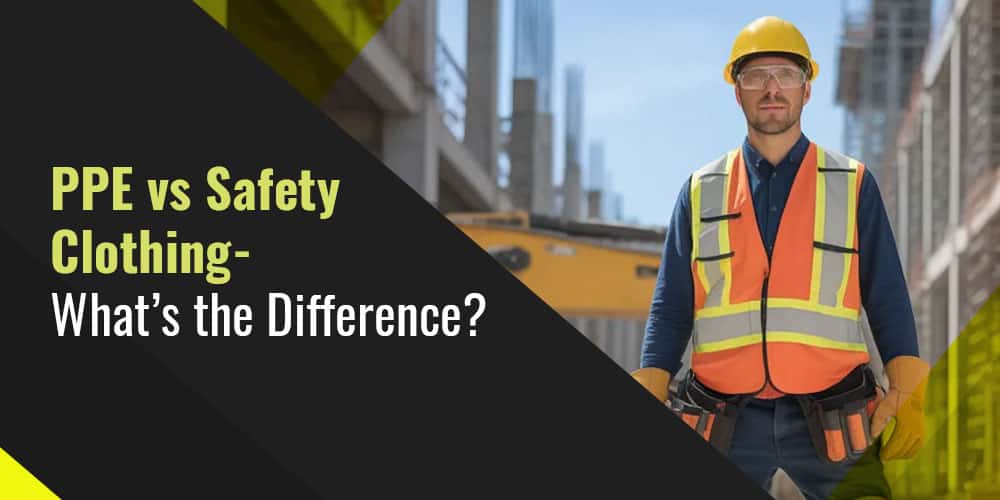
Workplace protection is often reduced to a single phrase, but the reality is more nuanced. Understanding the difference between personal protective equipment, safety clothing, and broader safety wear is critical for compliance, risk reduction, and worker confidence. While both categories aim to reduce exposure to hazards, they differ in scope, regulation, and application. This distinction matters because incorrect selection or misuse can leave gaps in protection, increase injury risk, and create compliance issues during audits or inspections.
Across industrial, construction, manufacturing, and utility environments, employers are expected to align protection with specific hazards through proper hazard assessment, thoughtful PPE selection, and ongoing PPE training. With the global PPE market valued at USD 80.36 billion in 2022 and projected to grow steadily through 2030, investment in the right gear is no longer optional; it is a baseline expectation. Clarifying how industrial safety clothing, safety garments, and regulated PPE work together helps organizations protect people while maintaining productivity and legal compliance.
What Is Personal Protective Equipment (PPE)?
Personal protective equipment refers to devices and gear designed to protect workers from specific workplace hazards that could cause injury or illness. Under OSHA PPE requirements, PPE is selected after identifying risks that cannot be eliminated through engineering or administrative controls. PPE serves as the last line of defense between the worker and potential harm, and it is governed by clear PPE standards covering selection, fit, use, and maintenance.
PPE includes protective eyewear, face shields, hearing protection, safety gloves, and steel-toe boots. Unlike general safety garments, PPE is directly tied to hazard exposure and must meet defined performance criteria. Employers are responsible for ensuring PPE is appropriate, properly fitted, and maintained throughout its service life. Failure to do so can result in injuries, lost workdays, and costly citations. In fact, workplace injuries remain a significant concern, with millions of non-fatal incidents reported annually, underscoring the importance of PPE as a foundational element of workplace safety programs.
Head, Eye, and Face Protection
Head, eye, and face protection is among the most recognized forms of PPE. Hard hats shield workers from falling objects, impact hazards, and electrical risks in construction and industrial settings. Protective eyewear, safety glasses, and goggles protect against flying debris, dust, chemical splashes, and radiant energy. Face shields provide additional coverage for tasks involving grinding, cutting, or exposure to chemical sprays.
These forms of PPE are essential across manufacturing, construction, and energy sectors, where eye and face injuries remain common. Consistent use, proper fit, and routine inspection are critical parts of PPE maintenance, ensuring that protective properties are not compromised over time.
Hand, Foot, and Hearing Protection
Hands, feet, and ears are frequently exposed to hazards, making their protection a core component of personal protective equipment programs. Safety gloves are designed to protect against specific risks, including chemical exposure, cuts, abrasions, and thermal hazards. Steel-toe boots protect against crushing injuries, punctures, and slips, and offer electrical hazard resistance in specific environments.
Hearing protection, like earplugs and earmuffs, reduces exposure to harmful noise levels that can lead to long-term hearing loss. Together, these forms of PPE support worker safety in environments ranging from heavy manufacturing to logistics and construction.
What Is Safety Clothing?
Safety clothing refers to body-worn garments designed to improve visibility, provide environmental protection, or reduce injury risk during routine work activities. Unlike PPE devices, safety garments often cover larger areas of the body and are integrated into daily workwear. Examples include high-visibility vests, flame-resistant clothing, chemical protective suits, and protective coveralls.
While safety clothing may fall under PPE regulations depending on the hazard, it is often categorized separately due to its garment-based design and extended wear time. Industrial safety clothing plays a crucial role in preventing accidents, particularly in environments with moving vehicles, electrical hazards, or chemical exposure. Protective clothing accounted for more than 35 percent of the PPE market revenue in 2023, reflecting strong demand across construction, utilities, oil and gas, and manufacturing sectors.
High-Visibility Apparel
High-visibility apparel is designed to make workers more noticeable in environments with moving vehicles, heavy equipment, or low-light conditions. ANSI ISEA 107 standards define performance requirements based on garment design, background material, and retroreflective coverage. Class 3 PPE clothing represents the highest level of visibility, requiring full torso coverage with sleeves and extensive reflective material for maximum conspicuity.
These garments are essential for roadway construction, rail operations, and emergency response, where workers face high-speed traffic and complex visual environments. Safety wear in this category reduces struck-by incidents and supports compliance with visibility regulations.
Flame-Resistant & Arc Flash Suits
Flame-resistant clothing and arc flash protection are critical in environments with fire or electrical hazards. These garments are engineered to self-extinguish, limiting burn severity and reducing injury risk. Arc flash protection suits are commonly used in utilities, electrical maintenance, and energy sectors, where exposure to high-energy electrical arcs can be life-threatening.
Standards governing these garments focus on thermal performance, durability, and coverage. Proper selection and care ensure that flame-resistant properties remain effective throughout the garment’s lifespan.
Chemical-Resistant Coveralls
Chemical protective suits and protective coveralls shield workers from hazardous substances, including liquids, vapors, and particulates. EN 13982-1 defines protection levels for particulate hazards, including Type 5 protective clothing, which is designed to be particle-tight against airborne solid particulates.
Chemical-resistant garments are classified into Types 1 through 6, each addressing different exposure scenarios. These garments are widely used in pharmaceutical manufacturing, chemical processing, and hazardous material response, where skin exposure can lead to serious health effects.
Cut-Resistant & Impact-Resistant Garments
Cut-resistant materials and impact-resistant fabrics are increasingly integrated into safety garments for industries such as manufacturing, warehousing, and glass handling. These garments protect against lacerations, blunt force trauma, and repetitive strain injuries. Materials such as engineered fibers and reinforced textiles protect without significantly restricting movement, supporting both safety and productivity.
Key Standards and Regulations
Standards and regulations provide the framework that defines how personal protective equipment and safety clothing must perform. Compliance with these standards ensures consistency, reliability, and legal defensibility across industries.
OSHA 29 CFR 1910.132
This regulation outlines general requirements for PPE, including hazard assessment, equipment selection, employee training, and employer responsibility for payment. It emphasizes that PPE must be appropriate for the identified hazards and maintained in a sanitary and reliable condition. OSHA’s eye and face protection standard remains one of the most frequently cited, highlighting ongoing compliance challenges and the need for better education and enforcement.
ANSI/ISEA 107 High-Visibility Standards
ANSI ISEA 107 establishes criteria for high-visibility vests and garments, defining Classes 1, 2, and 3, as well as specialized categories for roadway and public safety use. These standards ensure consistent visibility performance across environments, helping employers select the right level of protection based on traffic speed, work complexity, and lighting conditions.
EN 13982-1 Chemical Protective Clothing Types
EN 13982-1 focuses on protection against solid particulates and defines garment performance for hazardous environments. Understanding these classifications helps organizations select appropriate chemical protective suits and avoid under-protection in high-risk tasks.
How to Choose the Right Safety Clothing PPE
Selecting the right combination of PPE and safety clothing requires a structured approach that balances risk, comfort, and practicality.
Conducting a Hazard Assessment
A thorough hazard assessment identifies physical, chemical, electrical, and environmental risks present in the workplace. This process lays the foundation for effective PPE selection, ensuring protection aligns with actual exposure rather than assumptions.
Matching Garment to Hazard
Once hazards are identified, employers must match safety garments and PPE to those risks. This includes selecting industrial safety clothing with appropriate ratings, materials, and coverage for the task at hand. Misalignment between hazard and protection can render equipment ineffective.
Fit, Comfort, and Ergonomics
Proper fit and ergonomic design are critical for compliance and long-term use. Ill-fitting gear can cause discomfort, reduce mobility, and discourage consistent wear. Advances in garment construction now allow for protective performance without sacrificing comfort.
Maintenance and Replacement Guidelines
Routine inspection, cleaning, and timely replacement are essential components of PPE maintenance. Damaged or worn equipment can fail unexpectedly, increasing injury risk and undermining safety programs.
Industry Trends and Innovations
The safety industry continues to evolve, driven by technology, sustainability goals, and worker expectations.
Smart PPE and Wearables
Innovative PPE integrates sensors and connectivity to monitor environmental conditions, worker location, and physiological data. These tools support proactive safety management and real-time risk mitigation, particularly in high-hazard environments.
Sustainable and Eco-Friendly Materials
Sustainable PPE is gaining traction as manufacturers check out recycled fibers, low-impact production methods, and longer-lasting garments. These initiatives reduce environmental impact while maintaining protective performance.
Ergonomic Design Improvements
Ongoing ergonomic design improvements focus on reducing fatigue, improving mobility, and supporting extended wear. These innovations help bridge the gap between safety and productivity.
Frequently Asked Questions
What are examples of safety clothing PPE?
Examples of safety clothing PPE include high-visibility apparel, arc flash protection suits, chemical-resistant coveralls, garments made with cut-resistant materials, and steel-toe boots. These items are widely used across industrial and construction environments.
What is Class 3 high-visibility clothing?
Class 3 PPE clothing represents the highest visibility level under ANSI/ISEA 107, requiring garments that cover the torso and sleeves and feature extensive background and reflective material. It is intended for high-risk environments with fast-moving traffic or complex work zones.
What are the types of chemical protective clothing?
Chemical protective clothing is classified into Types 1 through 6, with Type 5 protective clothing designed to protect against airborne solid particulates. Each type corresponds to different exposure scenarios and protection levels.
Wrapping Up
Understanding the distinction between personal protective equipment, safety clothing, and safety wear is essential for building a reliable workplace safety strategy. PPE focuses on task-specific hazards, while industrial safety clothing provides broader, garment-based protection for daily operations. Together, they form a layered defense that reduces injury risk, supports compliance, and builds worker trust.
With work-related injuries costing the U.S. economy more than $170 billion annually, investing in the right combination of PPE and safety garments is both a safety priority and a sound business decision. The next step is sourcing dependable products from a knowledgeable supplier that understands standards, fit, and real-world applications.
For organizations ready to strengthen their safety programs, National Safety Gear offers a wide selection of compliant PPE and industrial safety clothing, along with expert guidance to help you protect your workforce with confidence.