Safety Apparel Blog by NationalSafetyGear.com
-
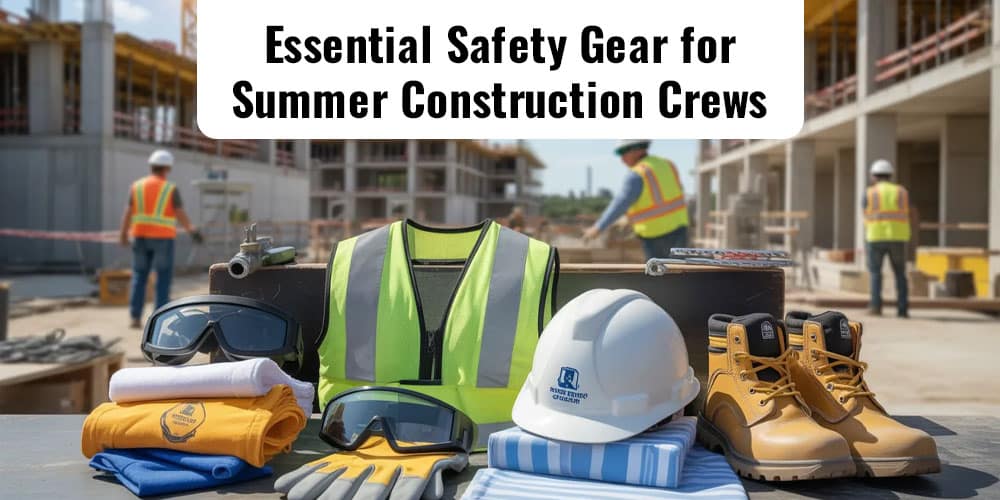
Essential Safety Gear for Summer Construction Crews
Summer shifts can turn a normal jobsite into a stricter test of focus and stamina. Heat speeds up fatigue, sweat reduces grip, glare makes it harder to read signals, and dry conditions can push dust into work zones for hours. In that environment, safety gear for construction must protect against real hazards while remaining wearable
-
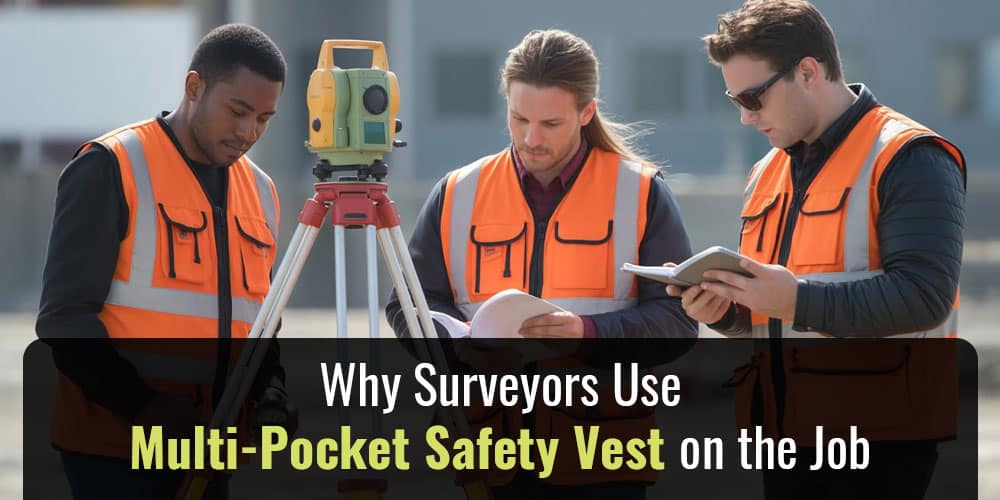
Why Surveyors Use Multi-Pocket Safety Vests on the Job
Surveyors face numerous hazards on the job, often working in high-traffic, low-visibility environments. The importance of wearing high-visibility apparel cannot be overstated. Among the most essential pieces of equipment are the surveyor safety vest and the multi-pocket safety vest. These vests not only meet visibility standards but also feature specialized pockets and tool loops to
-
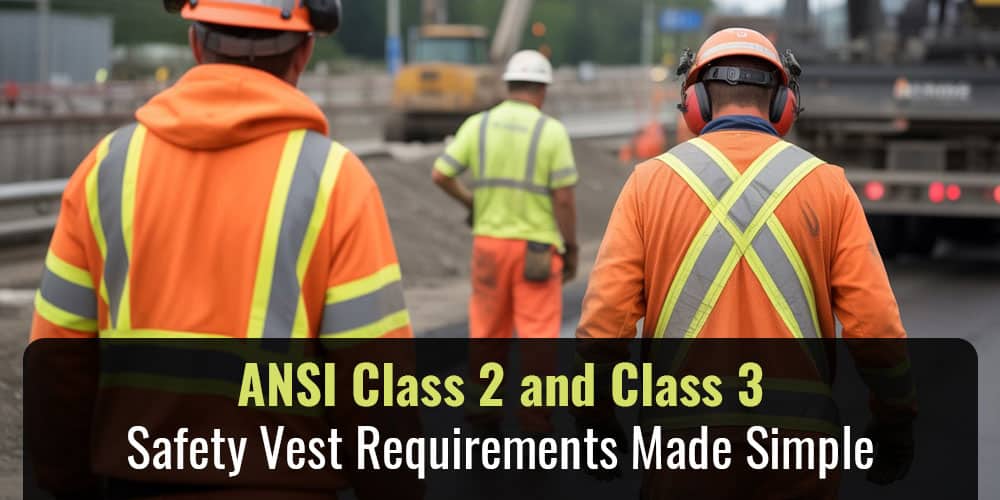
ANSI Class 2 and Class 3 Safety Vest Requirements Made Simple
High-visibility safety apparel plays a direct role in reducing struck-by hazards in construction, roadway, and transportation environments. ANSI Class 2 safety vest requirements and Class 3 standards exist to ensure workers are seen from longer distances, at higher speeds, and in visually complex surroundings. With roadway incidents remaining a leading cause of worker fatalities, understanding
-
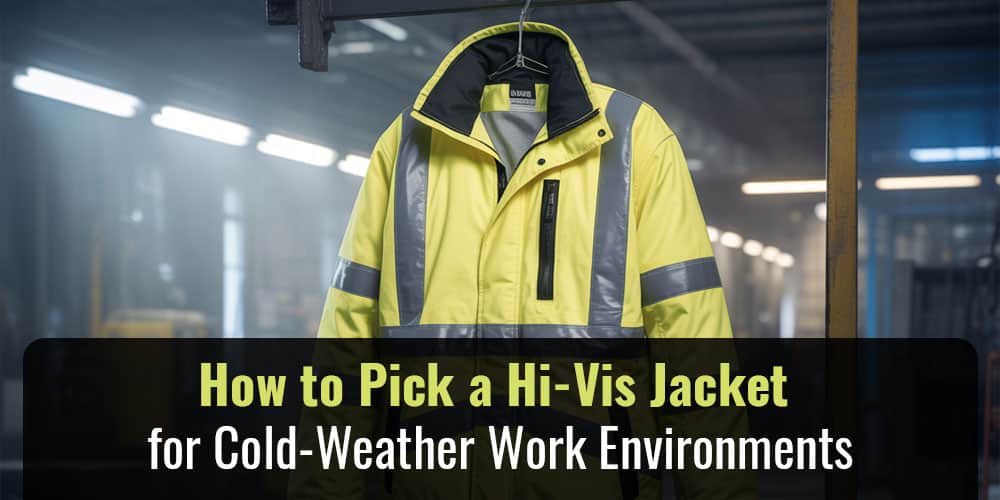
How to Pick a Hi-Vis Jacket for Cold-Weather Work Environments
Selecting the right hi-vis coat for cold-weather work environments requires careful consideration of several factors that ensure visibility, warmth, comfort, and durability. In outdoor or industrial settings, workers often face harsh conditions, making proper safety apparel a crucial component in maintaining both protection and performance. The high-visibility rain jacket or reflective safety jacket you choose
-
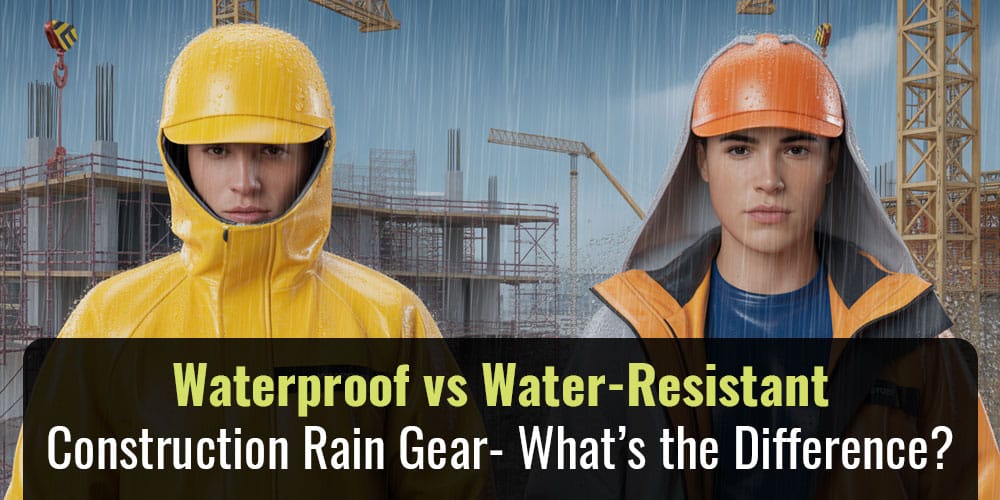
Waterproof vs Water-Resistant Construction Rain Gear- What’s the Difference?
Staying dry on a construction site is not just about comfort—it’s about safety, productivity, and protecting workers from weather-related hazards. Construction professionals face unpredictable conditions, from light mist to driving rain, and using the wrong gear can quickly lead to soaked clothing, reduced visibility, and dangerous slips. That’s why understanding the difference between waterproof and
-
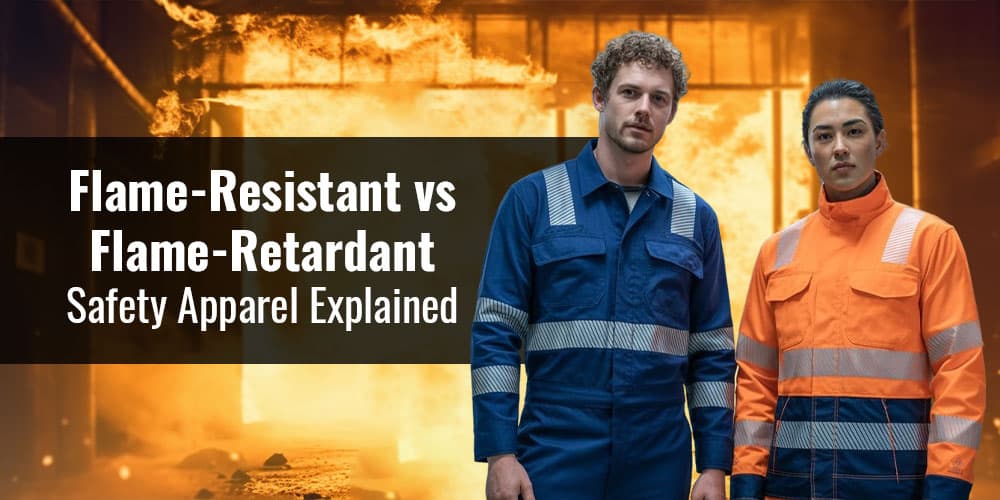
Flame-Resistant vs Flame-Retardant Safety Apparel Explained
Flame-resistant and flame-retardant sound similar, but they describe two different approaches to flame-resistant clothing safety. Flame-resistant fabrics are designed from fibers that naturally resist ignition and will self-extinguish once the heat source is removed. Flame-retardant clothing, on the other hand, begins as a standard fabric that is treated with special chemistries to slow ignition and
-
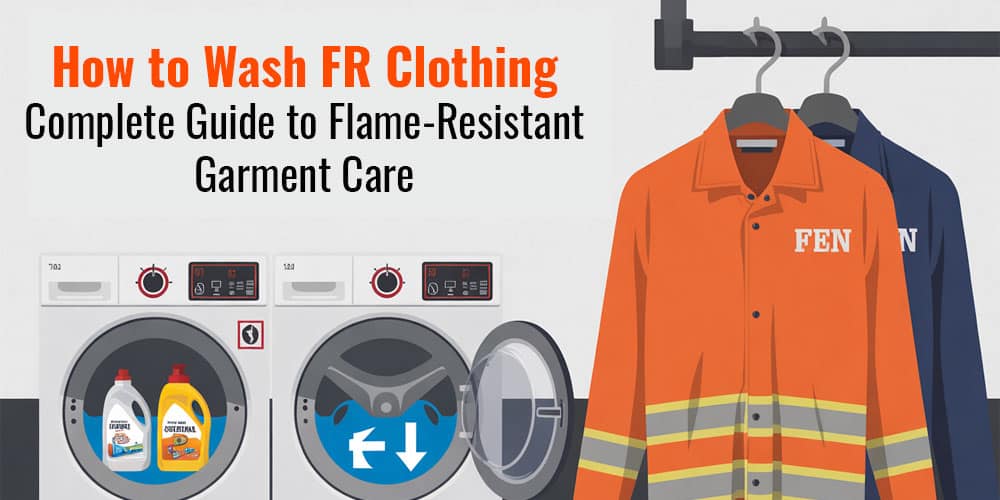
How to Wash FR Clothing- Complete Guide to Flame-Resistant Garment Care
Knowing how to wash FR clothing correctly is essential for keeping your protective gear performing as intended. Flame-resistant fabrics are engineered to self-extinguish, reducing the risk of burn injuries. Still, these benefits can be compromised when garments are washed with the wrong products or exposed to harsh cleaning methods. This FR laundry guide explains the
-
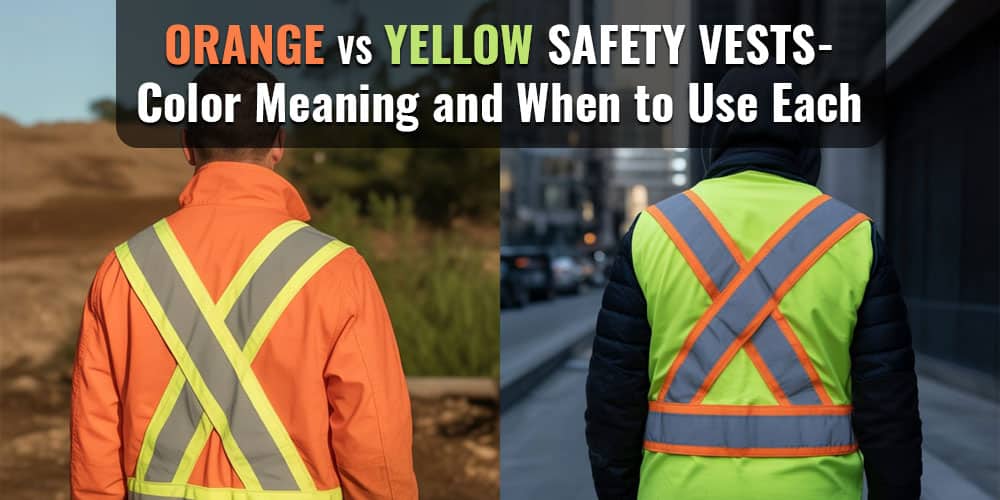
Orange vs Yellow Safety Vests- Color Meaning and When to Use Each
Choosing between an orange safety vest and a yellow-green vest isn’t just about preference. Color influences how quickly people spot you against different backgrounds. Orange pops against natural landscapes and most road settings, while yellow-green excels in low-light and urban clutter. Both colors are approved for roadways and work zones when paired with reflective striping,
-
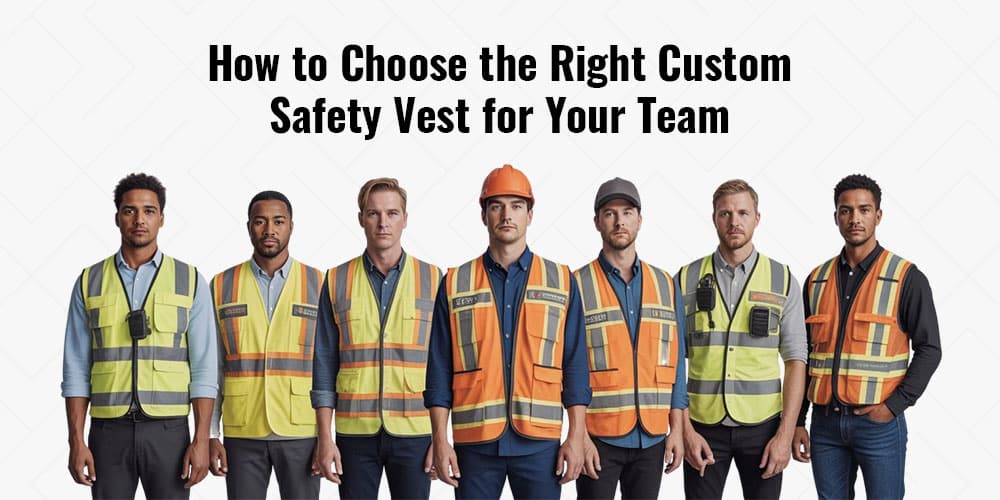
How to Choose the Right Custom Safety Vest for Your Team
A good vest isn’t just a bright layer-it’s a clear signal that your crew is visible, organized, and easy to identify on the job. Start by matching work conditions with the right build and class, then add branding that withstands daily wear. Custom safety vests enable supervisors to quickly identify roles, support site protocols, and